

How Many Pairs of Vegan Trainers Do You Actually Need?
A sustainable trainer rotation works best when every pair has a job you genuinely use. For many style-conscious urban professionals, that means starting with one versatile vegan trainer, then adding a second pair when work, weather or exercise creates a real gap, rather than simply responding to another tempting colourway.
Map your week before you shop. Consider the walk to work, the office dress code, social plans, wet pavements, gym sessions and the time each pair has to dry and air. A smaller rotation can support comfort, outfit flexibility and longer use when it reflects your actual life.

Start with the roles your week actually contains
A trainer role is distinct when it changes what you need from the shoe, not just what you wear with it. Use this quick audit before deciding that you need another pair:


One pair: the deliberate everyday rotation
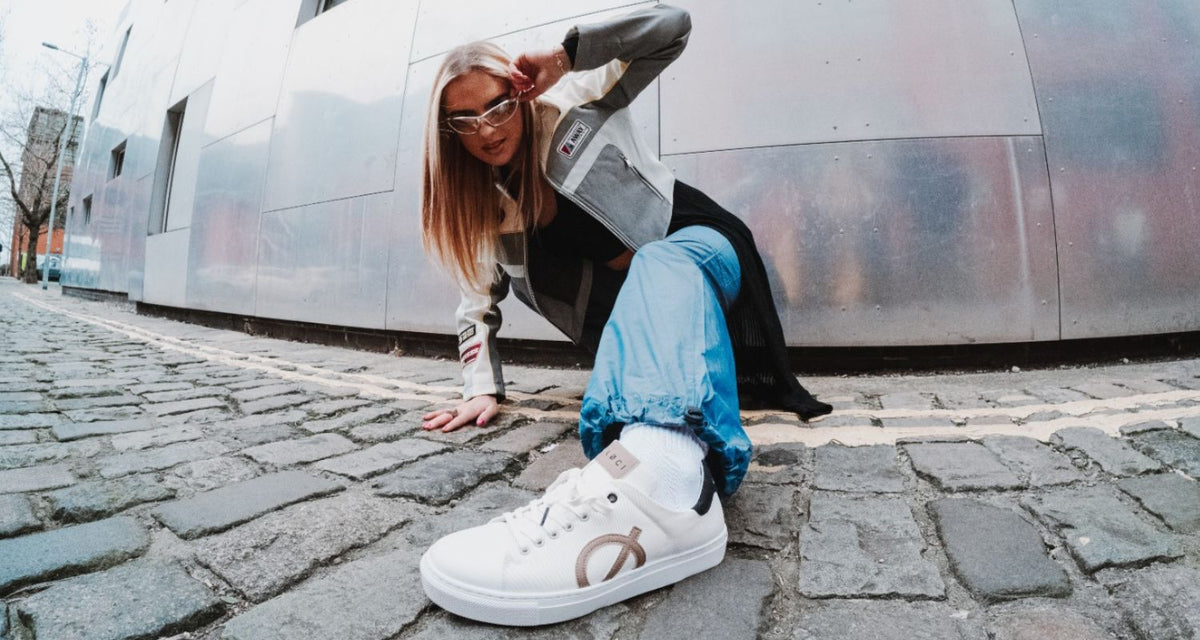
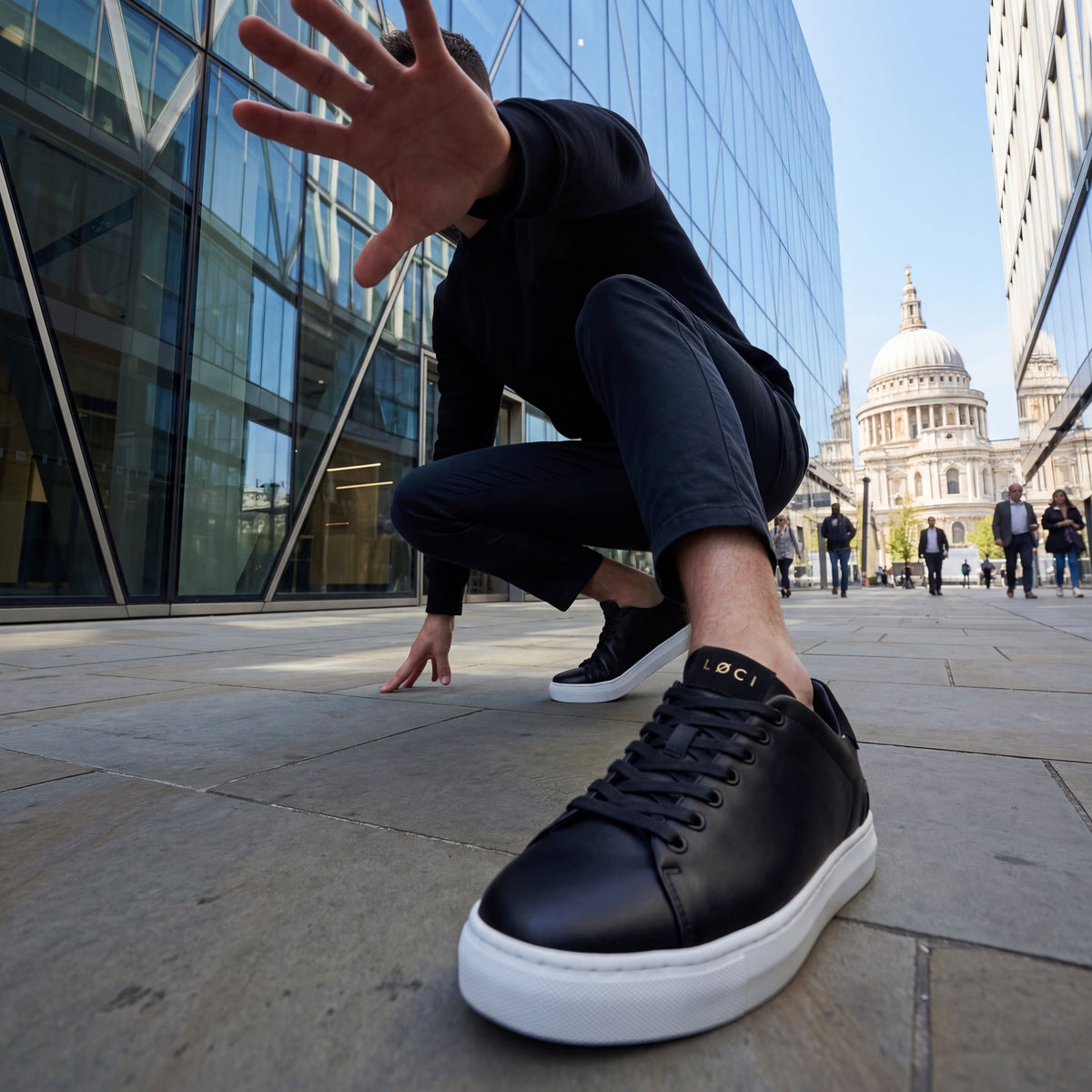
One pair can be enough if your office is relaxed, your commute is manageable and your weekends are mostly urban leisure. Choose a neutral silhouette that works with tailoring, denim and relaxed separates; a low-profile white, off-white, black or muted tonal design is usually easier to re-wear than a highly specific trend style.
This is a lifestyle solution, not an all-purpose performance claim. An everyday trainer may be comfortable for walking, commuting and casual plans, but it should not automatically become your running, high-impact or specialist training shoe. If it gets soaked or heavily sweated in, give it time to dry before wearing it again.

Two pairs: when a real gap appears
Two pairs make sense when your main trainer cannot comfortably cover the whole week. The second pair should solve a recurring problem: perhaps you need a cleaner, office-appropriate option while the first handles longer commutes, or a separate active pair because your movement sessions leave your everyday shoes damp and worn.
Ask whether the distinction is functional and frequent. A pair used once every few months is probably not a role; it may be an occasion purchase. Climate matters too: persistent rain, muddy routes or limited drying space can justify a weather-resilient option, but check the care guidance and material construction rather than assuming any vegan upper is waterproof.


Three pairs: everyday, work or weather, and active
Three pairs are reasonable when your calendar consistently contains three different demands. For example: a polished everyday pair for office-casual dressing and city life; a second pair reserved for wet, messy or more formal work conditions; and an active pair for gym sessions, movement or other activities that call for a different feel and level of support.
Purposeful separation of use matters most. If two pairs look and behave almost identically, they are probably duplicates. If one pair is repeatedly being asked to do a job it was not designed for, the gap is more meaningful.

How to choose a versatile vegan trainer
Look for comfort you can assess in person, a shape that works with most of your wardrobe, and construction details the brand explains clearly. Neutral styling is useful because it increases the number of outfits and occasions a pair can cover; durability matters because replacing a poorly made pair is rarely the sustainable outcome.
Material transparency matters too. LØCI describes using recycled plastic alongside bamboo and cork in its vegan footwear, with a mission connected to marine conservation. Read the product information for the specific pair, and treat broad sustainability language as a prompt to investigate rather than a reason to buy more.

Applying those criteria: where FLØ and VØLT may fit
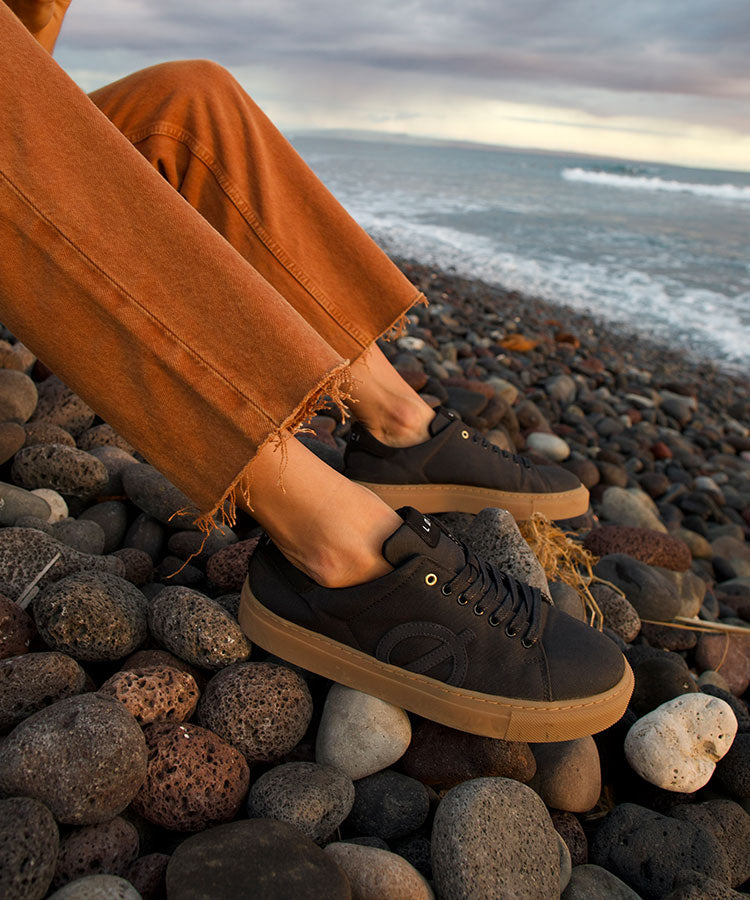
If you are looking for one pair to bridge movement and everyday wear, LØCI positions FLØ as a lightweight vegan trainer made with recycled ocean plastic for workouts, movement and after-work wear. That makes it a possible active-to-casual option, subject to whether its fit and feel suit your routine.
VØLT is positioned as a lightweight vegan option for versatile active days. It may suit someone who wants one pair to move between casual plans and lighter activity, but neither description should be read as a promise that the shoe is appropriate for every sport, running distance or high-impact session. Check the current product details and choose specialist footwear where your activity requires it.

Rotate with purpose, then care for the pair
Alternating pairs gives each one time outside your feet between wears. That can help you manage moisture, let the lining and insole air, and spread everyday abrasion across the rotation; it does not guarantee a particular lifespan or prevent odour. If a pair is damp, open the laces, remove the insoles if the care guidance allows, and dry it naturally away from direct heat.
Active or wet-weather use changes the routine. Wipe off surface dirt promptly, follow the maker’s cleaning instructions, and do not put a soaked trainer straight back into a closed cupboard. Keep your active pair separate from your office pair if sweat, mud or frequent washing is making the everyday pair harder to keep presentable.

When a trainer has finished its role
Inspect the pair rather than judging it by age alone. A trainer may need repair or retirement when the sole is worn unevenly, the upper no longer holds its shape, seams are opening, the heel counter has collapsed, or the fit has changed enough to cause discomfort. For active use, stop relying on a pair when its condition no longer feels appropriate for the activity.
Before replacing it, ask whether cleaning, new laces, an insole replacement or a cobbler could restore the role. If not, retire it honestly and replace it with the pair your diary proves you need, rather than the pair a trend cycle has made visible.

A short pre-purchase checklist
Before buying, write down the job in one sentence: “This pair is for…”. Then check:
1. Does it solve a weekly problem that an existing pair cannot?
2. Will it work with at least several outfits already in your wardrobe?
3. Are comfort, materials, care instructions and construction clearly explained?
4. Is the activity lifestyle-level, or does it call for specialist athletic footwear?
5. Could repair, cleaning or a different rotation solve the problem instead?
6. If the answer is still yes after a week of consideration, buy for the gap, rather than for a slightly different shade of a role you already own.

Frequently asked questions
Q: Can one versatile trainer cover work, commuting and weekends?
A: Often, yes, if your office is office-casual and the trainer is neutral, clean and comfortable. A stricter dress code may require a separate work-appropriate pair.
Q: Do I need a separate pair for the gym?
A: Choose one when your regular activity has needs your lifestyle trainer cannot meet. For running, high-impact sessions or specialist training, follow the activity’s requirements rather than assuming an everyday trainer is suitable.
Q: What changes in wet weather?
A: A second pair can help when one trainer is repeatedly soaked before it can dry. Follow the care instructions and do not assume vegan materials are waterproof without product-specific evidence.
Q: Can a damaged trainer be repaired?
A: Sometimes. Cleaning, new laces, an insole or a cobbler may restore its role; retire the pair when its condition or changed fit makes it unsuitable for its intended use.
The best rotation is the one that gives each pair a clear purpose and earns its place in your week. Let your routine, wardrobe and care habits guide the decision, so a considered collection supports your lifestyle without turning every new colourway into a necessity.