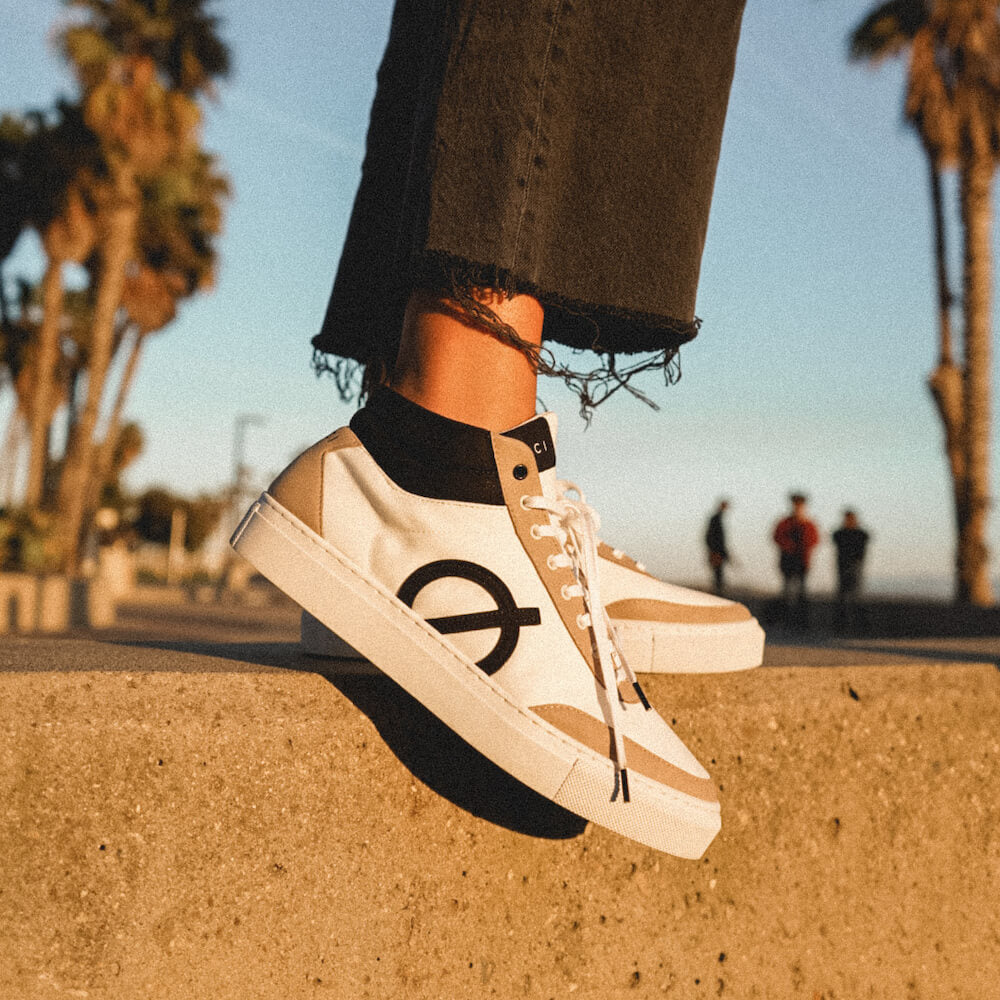

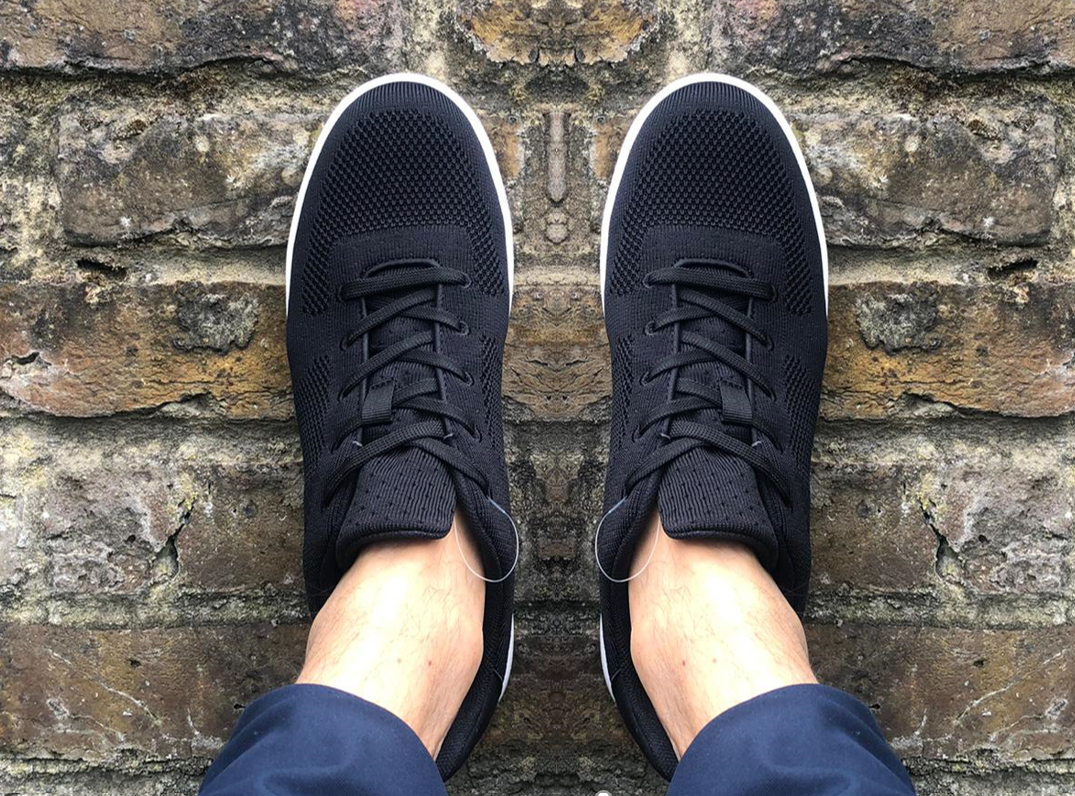
How to break in vegan trainers without blisters in the first week
A new pair of vegan trainers can feel unfamiliar without being wrong, but discomfort is not something to push through. The safest approach is to introduce them gradually: begin with a short indoor test, check how your socks and lacing affect the fit, and only increase wear time when your feet remain comfortable. This reduces avoidable friction, but it cannot make an unsuitable size or shape suitable.
There is no universal vegan break-in period. Materials, construction, lining, stiffness, heel structure and individual foot shape all vary between models and wearers. Treat the plan below as a flexible progression for a new pair, not a promise of blister-free wear.

Before the first outdoor wear: fit and sock checks
Use the socks and insole you expect to wear, then check the trainers indoors before committing to a commute or city walk. Fasten the laces securely without pulling them so tight that they create pressure across the forefoot. Walk, turn, climb a few stairs and stand still for several minutes.
Look for a heel that stays reasonably stable rather than lifting repeatedly, toes that can move without being crowded, and no concentrated pressure across the forefoot. Try the check with the insole in place. LØCI’s guide to choosing no-show, ankle and crew liners makes the same practical point: test the complete combination and watch for heel slip, toe crowding and forefoot pressure.
Choose socks that stay flat and in place. A low, ankle or crew height can all work; the important factors are a secure cuff or heel, a smooth or flat toe seam, and fibres that manage moisture for your conditions. If your feet become damp, friction can increase. A cushioned sock is not automatically safer: extra thickness reduces internal volume and may turn a borderline fit into tightness or toe pressure. Test the sock in the trainer rather than judging it on its own.
If a sock bunches, slides down, leaves a seam pressing on a sensitive spot or makes the shoe feel tight, change the sock before changing your walking plan. As an optional example, LØCI’s Stripe Cushioned Crew Socks in White/Green use a stretchy cotton blend, ribbing and strategic cushioning; treat them as one sock option only, and check their thickness with your trainer.


Your flexible first-week wear plan
Day 1: indoor test. Wear the trainers for roughly 15–30 minutes at home, ideally when your feet are not already tired or damp. Walk normally, use stairs and sit down, then remove the trainers and inspect your heels, toes and forefoot. A little unfamiliar stiffness may be acceptable; a growing warm patch, pinching or repeated heel movement is a reason to stop and adjust.
Day 2: short local outing. If Day 1 was comfortable, try around 30–60 minutes on a low-risk trip close to home. Avoid making this your first full commute. Keep a plaster or blister dressing with you, but use it as backup rather than permission to ignore rubbing.
Day 3: repeat or rest. Repeat a similar outing only if your skin is intact and the fit remains stable. If you noticed a warm patch, take a rest day from the trainers while you adjust the sock, lacing or fit. Do not test the same hot spot until it has settled.
Days 4–5: partial day. Progress to a couple of hours for an office morning, short commute or errands, with an easy way to change shoes. Check your feet during the wear rather than waiting until the end. If the trainers feel better but still create one precise rubbing point, treat that as a fit or construction clue, not a challenge to endure.
Days 6–7: longer wear only if earned. Consider a longer commute or city plan only when the earlier stages have been comfortable, your socks have stayed put and your skin has remained intact. Build in breaks and avoid making a long, unfamiliar route the first real test. If any stage causes worsening pain, numbness, swelling or skin damage, step back or stop rather than progressing by the calendar.


Stop, reassess and know when to get help
A hot spot is an early warning: warmth, stinging or a small area of redness where the shoe or sock is rubbing. Stop, remove the trainer, dry your foot and inspect the skin. If the skin is intact, you can consider a different sock, a small lacing adjustment or a shorter retry after a rest. Do not cover an active hot spot and continue a long walk simply to complete the plan.
Persistent heel slip, toe crowding, forefoot pressure, numbness, swelling or pain that does not ease after a small adjustment should not be labelled normal break-in. Reassess the size, width, shape and sock thickness. If the problem remains, stop wearing the pair and use the retailer’s exchange or return process while you are within its terms. A trainer can soften with wear, but it will not reliably correct a fundamentally poor fit.
Seek appropriate medical advice for a severe blister, spreading redness, signs of infection, significant swelling, worsening pain, or a blister that is not healing. If walking is affected, stop using the trainers until the problem has been assessed.
FAQ
Do vegan trainers always need breaking in? No. Some feel familiar quickly, while others benefit from gradual wear. The experience depends on the specific materials, construction and fit, not the vegan label alone.
Is a cushioned sock always better? No. Cushioning may feel useful in a suitable fit, but extra thickness reduces internal volume and can create tightness or toe crowding. Test the complete sock-and-trainer combination.
Is mild stiffness different from a problem? Usually, yes. Mild unfamiliar stiffness may settle; persistent rubbing, heel movement, pain, numbness or skin damage calls for action rather than more wear.
Should I follow the same plan for every LØCI trainer? No. A description such as the comfort-engineered positioning of the ØRIGIN Black/White describes design intent, not a guarantee or universal break-in schedule. Test the individual pair on your feet.
A measured first week gives you useful information without turning your feet into a test of endurance. Start indoors, progress only after comfortable wear, keep socks smooth and secure, and respond to the first sign of friction. If the pair repeatedly produces pressure or movement, the responsible choice is to reassess the fit or return it, rather than force a break-in.