

Article: 3 Ways Vegan Trainers Should Fit for All-Day Comfort
3 Ways Vegan Trainers Should Fit for All-Day Comfort
Choosing vegan trainers for ethical reasons need not mean sacrificing comfort. Yet many people still end the day with cramped toes, aching arches, or a slipping heel. Three quick fit checks can spot those common problems and help you stay comfortable all day.
To avoid those common fit issues, choose trainers with enough length to let your toes splay and reduce pressure, targeted midfoot support that spreads load across the arch, and a locked heel plus responsive materials to preserve natural movement and return energy. Read on to learn how to assess each fit factor so your trainers support walking, standing, and everyday movement without compromise.

1. Ensure toe room by choosing the right trainer length
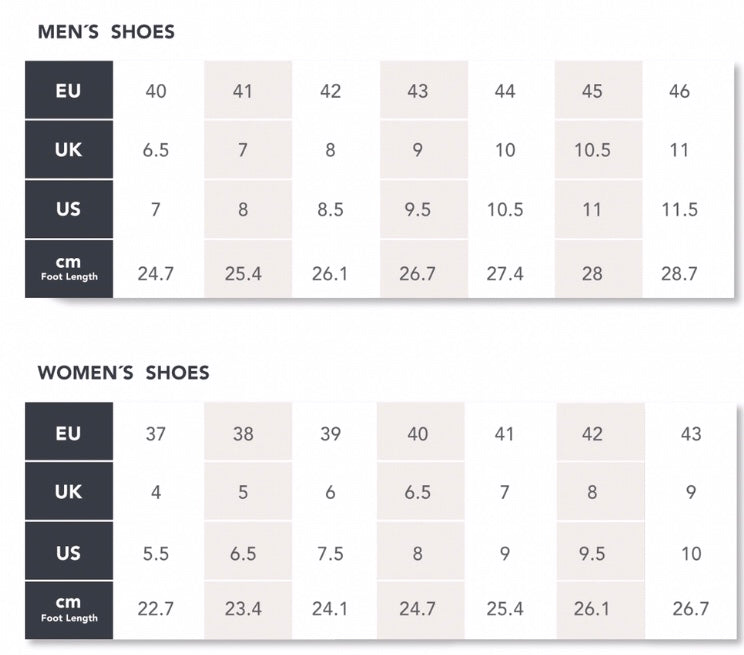
Stand with your heel against a wall and measure from the heel to the longest toe to capture your foot’s internal length. While standing, check the trainer’s internal space and aim for roughly a thumb’s width of free room at the toe when weight is on the foot. Assess the toe box shape and upper materials by choosing a round or square toe box and flexible textile uppers, and press the front of the shoe to gauge true forefoot volume rather than relying on outward appearance. Fine-tune the fit with low-bulk, seamless liners, or by swapping or removing the factory insole, and confirm any change preserves arch support and prevents the foot from sliding forward.
Beyond internal volume, control foot position with targeted lacing and a heel lock. Loosen the forefoot zone, use wider lacing across the metatarsal area, then secure a higher heel lock to prevent forward migration and allow the toes to splay. Judge fit with practical signs: toes that lie flat and evenly spaced after walking, fewer hot spots on the ball of the foot, and a noticeable increase in balance. Biomechanical studies link unrestricted toe splay to lower forefoot pressure and improved balance, so combine those findings with short trial walks as your own evidence. Test combinations of footwear liner thickness, insole, and lacing on a brief walk, and re-measure internal space if your foot slips forward or your toes begin to feel compressed.

2. Secure your midfoot with targeted arch support
Midfoot support spreads load across the arch and forefoot, reduces peak plantar pressures, and limits excessive pronation, which lowers foot fatigue and cuts the risk of hot spots during long wear. Assess your arch at home with a wet footprint or a single-leg balance test, then compare that shape with removable insoles to choose low, medium, or high contouring. Vegan-friendly removable insoles made from cork, EVA, or PU foam will mould to your foot over time. For precise correction, consult a podiatrist for customised orthotics, and take your trainers to the fitting so the insole matches the shoe last.
After choosing and testing an insole, seat the heel first: press your foot into the footbed, tension the laces across the midfoot, then secure the ankle with a figure-eight or heel-lock. Take a short walk and reassess comfort; a proper heel-lock reduces heel lift, which cuts rubbing and blister risk. Rotate your trainers, or alternate between pairs of sneakers, so insoles have time to decompress and dry, preserving cushioning and shape. Watch for new hot spots or persistent arch pain; make small adjustments to lacing or insole thickness over several wears rather than large changes all at once, so you can identify what actually helps. Swap in thicker or thinner insoles to fine-tune support, testing each change with a short walk. If pain continues despite gradual tweaks and sensible monitoring, consult a podiatrist or physiotherapist for assessment and a customised solution.

3. Lock your heel, keep foot mechanics unhindered, choose responsive materials
When trying on trainers or sneakers, lock the heel with a simple lacing trick: make a loop through the top eyelets, feed the opposite lace through the loop, and pull snug. Walk and hop to confirm heel slip is minimal while your toes can still move freely. A slightly deeper heel cup with a firm internal counter keeps the heel bone centred, while a shaped, padded collar cushions the ankle without limiting dorsiflexion, so press on the counter to check for containment and a small, natural range of movement. Pair that lockdown with a flexible forefoot: ensure the sole bends at the ball of the foot, the toe box lets the toes splay, and the shoe does not force an exaggerated heel strike. Overly stiff heels or excessive arch rise alter gait mechanics and increase perceived effort, so prioritise bend at the ball of the foot and a natural toe box.
Alongside mechanical fit, choose responsive, vegan-friendly materials for trainers and sneakers, such as midsole foams with measurable energy return, patterned knit or engineered mesh uppers that recover their shape, and low-friction synthetics that reduce hotspots. Compare walkaway comfort and perceived rebound by repeating short strides, and note how quickly the sneaker returns energy, how much fatigue appears in the calves, and whether push-off feels springy. Fine tune the fit with small adjustments: try thinner or thicker foot liners to change internal volume, swap or trim removable insoles to improve heel containment, or add a gusseted tongue or tongue pad to relieve lace pressure. Check for any new rubbing during normal wear, and adjust lacing or add targeted padding before micro-motion causes a blister.
Taken together, comfort in vegan trainers rests on three fit priorities: sufficient length for toe splay, targeted midfoot support to stabilise the arch, and a locked heel that prevents slippage and preserves natural movement. Simple, repeatable checks make those priorities measurable: stand and measure internal length to allow for toe splay, test removable insoles against your arch to assess midfoot support, and lace up to confirm heel containment. These checks reveal pressure points, balance shifts, and perceived energy return, so you can judge fit by function rather than feel alone.
Apply the practical steps under each heading. Focus on toe box checks to ensure even toe spread, choose midfoot insoles that support your arch, and use heel-lock lacing to prevent heel slip. Make small adjustments to foot liners, insoles, and lacing rather than large changes at once. After each tweak, walk, hop, and balance briefly to check for even toe spread, fewer hot spots, and quicker rebound. If pain persists despite adjustments, consult a specialist, and let real wear over a few days decide what keeps you comfortable all day.