
How Artist Collaborations Reveal and Communicate Material Origins
Can the source of a pigment, fibre, or metal change how we read a work of art? When artists partner with makers, foragers, and community researchers, they map a material's journey, revealing the labour, ecology, and local knowledge woven into it.
This post sets out practical steps to trace materials from source to studio, and to turn those journeys into clear, expressive narratives readers can follow. It explains how to verify environmental and social impact, and how to demonstrate authenticity so collectors, curators, and communities can assess claims for themselves.

Tracing the lifecycle of materials
For trainers, sneakers, and other fashion pieces, map the material journey so you can verify provenance and continuity of custody. - Create a simple trace diagram that maps the journey from extraction to studio, naming every actor, process, and transformation. - Record batch and lot identifiers, transport steps, timestamps, and key process photos, and link each finished item back to the specific source batches to demonstrate continuity of custody. - Build direct channels with suppliers: conduct recorded interviews, collect processing notes and sample swatches, and use a straightforward chain of custody form to capture seasonal and regional variability that labels cannot convey. These steps produce concrete evidence you can use to trace material choices back to their source.
Make artist documentation a standard part of provenance. Require annotated process photos, short handling notes, and materials metadata—material type, treatment, source location, and batch ID. These elements make technical claims verifiable and understandable to a wide audience. Use objective verification where appropriate. Retain small archival samples, commission material analysis to confirm fibre or alloy composition, and capture timestamped visual evidence at key sourcing stages. Conservators, curators, and adjudicators can test or confirm claims from these records. Package records for different audiences. Produce a concise material passport with origin notes, maker statements, and care guidance, and provide links to extended documentation and raw data for curators or buyers. Layered documentation balances accessibility with the technical detail needed for conservation, attribution, and dispute resolution. Together, human testimony, physical samples, and factual records create readable provenance while preserving the evidence specialists need to verify, conserve, and assess works.
Use a garment-dyed cotton tee to illustrate material provenance.

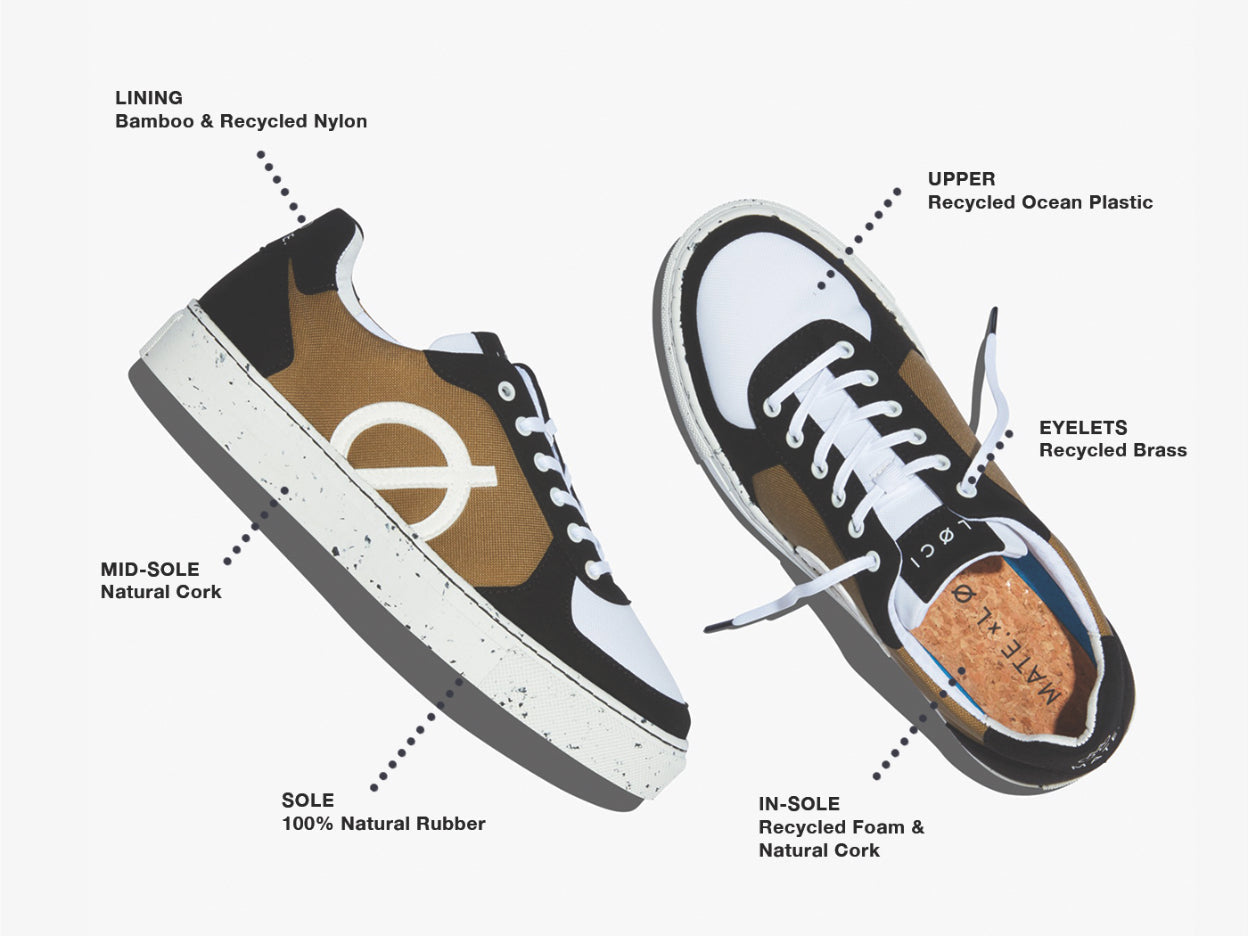
Art That Tells Material Stories in Sustainable Sneaker Design
In sustainable sneaker design, granting artists access to provenance records, archives, and supply-chain contacts allows them to create work that directly reflects traceable material histories, from installations to digital assets and new permission protocols. Practical translation techniques turn microscopic textures into large-scale prints, map isotope and fibre data to colour gradients, and pair tactile samples with annotated infographics and downloadable metadata, enabling audiences to verify technical claims. Community-centred practice records oral histories, credits makers and handlers, secures informed consent, and runs co-creation workshops with artisans, labour representatives, and supply chain actors to surface human stories and contextual detail.
Exhibitions and digital platforms combine hands-on specimens, magnified imagery, geographic maps, and QR codes linking to traceability records and lab reports. Interpretive labels guide inquiry, and prompts collect visitor feedback to test understanding. Verification and longevity measures embed provenance metadata in digital files, maintain chain-of-custody documents, and commission independent sample testing when appropriate. Publishing audit trails and update logs lets audiences re-check material claims over time. Making permission protocols and downloadable metadata available alongside physical displays preserves the link between object and record. Together, these practices create layered evidence that supports both sensory engagement and factual verification.
Wear a textured canvas showcasing traceable artwork.

How to verify impact and communicate authenticity in your organisation
Define clear verification criteria and KPIs up front. Specify required data fields such as origin, supplier, and batch number, set target percentages for independently tested materials, and state audit pass rates. Publish a concise verification summary so readers can judge credibility from the evidence. Embed designers and makers in the verification process. Ask them to document sourcing decisions, cosign provenance statements, and lead supplier visits. Corroborate their accounts with supplier documents, timestamped photographs, and laboratory reports to turn narrative into verifiable evidence. Link physical pieces to readable tags that point to immutable provenance pages. Those pages should contain scanned certificates, chain of custody logs, maker biographies, an audit trail, and a version history so anyone can trace how a claim was established and updated.
Measure impact with both quantitative and qualitative indicators. Track traceability metrics such as the share of materials independently verified, the number of remediation actions taken, and regulatory and labour compliance outcomes. Collect structured first-hand accounts from artists and source communities, run consumer trust surveys, and present these alongside the metrics, enabling a comparison of lived experience with hard data. Co-create communication and attribution protocols with source communities and artists, secure informed consent for images and stories, credit individual makers, and disclose any uncertainties or gaps in provenance. Provide an accessible correction mechanism, and publish raw supporting documents so claims rest on primary evidence rather than assertion, enabling independent scrutiny.
Building on verification and communication practices, artist collaborations transform a material's journey from source to studio into verifiable evidence. Trace diagrams, batch identifiers, timestamped photos, and archival samples create a linked record. When paired with maker interviews, independent analyses, and chain of custody forms, that record moves a story from anecdote to testable fact for conservators, curators, and communities.
Apply trace materials, translation, and verification practices to build material passports, embed provenance metadata, and craft layered narratives for diverse audiences. This transparency lets readers experience a product’s story through sensory detail, supports independent scrutiny, and invites artists, suppliers, and institutions to collaborate on clear, verifiable claims.