
How to Choose Between No-show and Ankle Liners for a Cleaner Trainer Look
A tiny ankle cuff can undo the clean lines of a white trainer, pulling the eye to your ankle instead of the shoe. Opt for a no-show liner for true invisibility, or choose an ankle liner for secure coverage that keeps the trainer profile crisp.
Compare fit, materials, breathability, grip, and colour to choose a liner that stays put and complements your outfit. This guide offers practical, actionable tips and simple styling moves to sharpen your trainer silhouette and keep every look intentional.

Sharpen your trainers' silhouette with the right liner
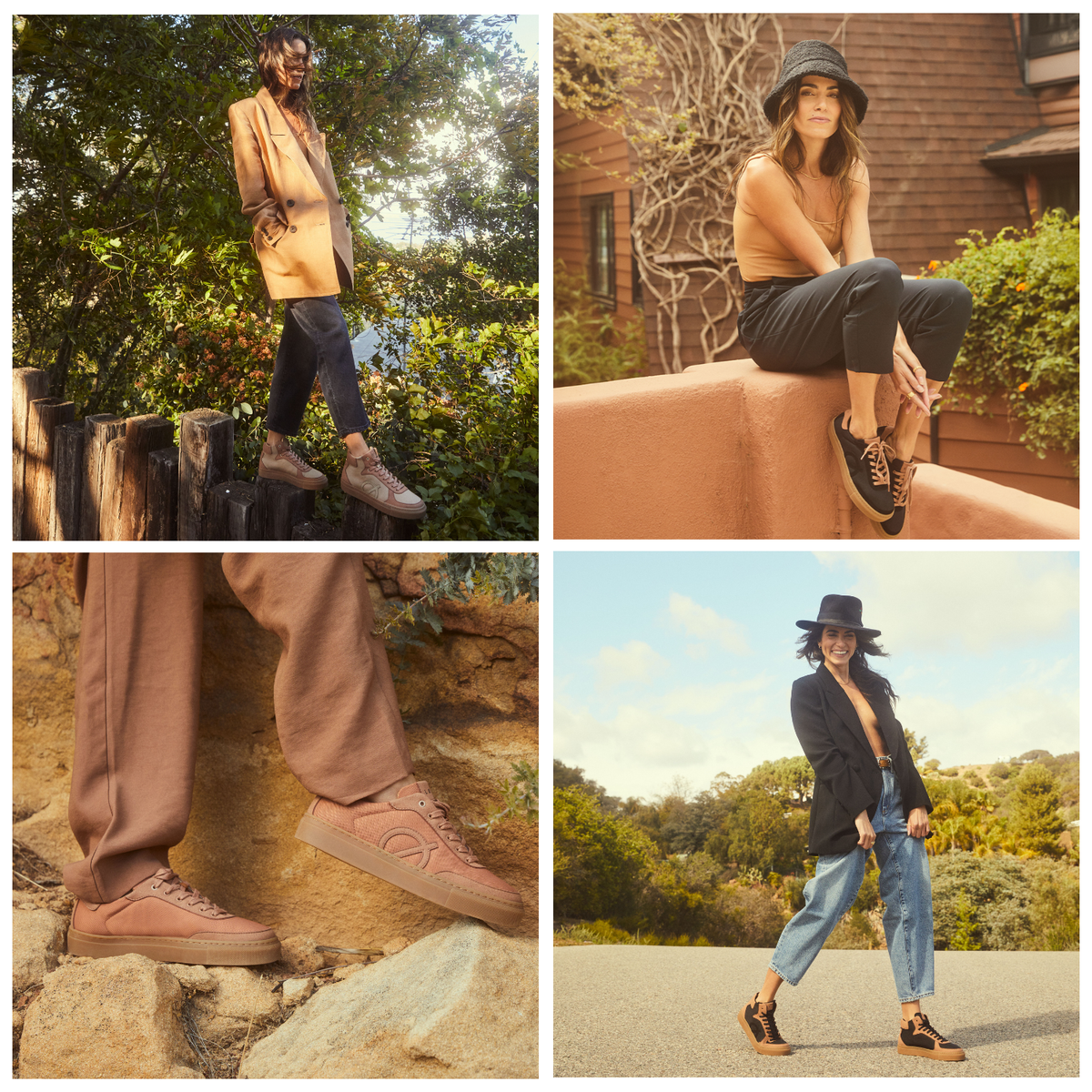
Where the liner sits alters a trainer’s silhouette. When the liner matches your skin tone, it creates a continuous vertical line that makes the leg read longer; a visible cuff introduces a horizontal break that shortens or broadens the shape. Match the liner to your skin to make it disappear, or match it to the trainer for deliberate contrast, and decide the effect you want rather than guess. Factor in trainer architecture too: low collars, stiff heel counters, and narrow toe boxes change how liner thickness and profile behave. For tight, form-fitting uppers, pick thinner liners; for softer, roomier trainers, opt for slightly thicker ones. Try both with the shoes on and walk a few steps; movement reveals how the liner alters the overall line.
Test liners with your trainers laced as you normally would. Check heel hold, cuff elasticity, seam placement against the collar, and whether the fabric bunches when you walk to reveal real-world fit issues. Material choice affects sweat and blister risk: moisture-wicking fibres and mesh panels move vapour away from the skin, while dense cotton traps moisture, increasing odour and blister risk. Inspect liners regularly for elastic fatigue, pilling, torn seams, or loss of silicone grips. Wash on a gentle cycle, then air dry to preserve shape and grip. Rotate between a few pairs to extend their life, and replace liners once grip or shape degrades so the trainer silhouette stays tidy.

How to choose between no-show and ankle liner fits
Put the liner on, step into your trainer, and run a quick movement test: walk several paces, lift your heel, squat, and jog on the spot. Check for heel slippage, gaping at the collar, and liners showing when the foot moves. If the liner rides above the trainer collar by more than a finger width when you lift your heel, it will be visible in most low-cut trainers. No-show liners sit below the shoe line but often sacrifice heel security, while ankle liners protect the back of the heel and reduce chafing but can peek over very low collars. Try each liner style with the trainers you plan to wear to judge the trade-off between invisibility and a secure fit.
Materials and construction determine fit and performance. Thicker knits and padded soles fill extra volume and reduce internal movement, while thinner mesh lowers the profile but increases slip risk. Look for silicone heel grips, elasticised cuffs, and flat toe seams, and inspect seam placement and cuff bulk, because seams across the toes or a bulky cuff can show through thin trainers and create visible lumps. For dynamic movement or longer walks, favour ankle liners for heel protection and reduced friction. For a minimalist, barely-there look with very low-cut trainers, choose low-profile liners and test them under your outfit and during natural movement to confirm both aesthetic and functional outcomes.

How to choose liner materials for trainers that balance breathability and grip
Choose a liner fibre to suit how you use your trainers. Cotton soaks up moisture and raises friction against the foot, which can increase blister risk. Synthetic fibres wick sweat and dry quickly, making them well suited to intense activity. Fine wool controls odour while still transporting dampness away from the skin, offering natural temperature regulation. Look for visible breathability features: open-knit construction, mesh panels, perforations, and low-density knits all create clear airflow routes. Inspect liners by eye and touch, and flex them in your hand to feel how air moves and how the liner will sit inside the trainer. Breathability and fit interact directly with comfort; when airflow is unobstructed, you usually get less sweat and a lower risk of blisters during hot or active use.
Grip features concentrate where slippage starts: silicone heel patches, rubberised dots across the heel, and textured footbeds increase contact area and resist movement. To assess tack, press and flex the liner against your palm or the trainer lining; it should hold under pressure without causing bunching. Choose a full-foot grip only if it does not create bunching, reduce toe room, or change foot alignment. Insert the liner into the trainer and walk a few paces to check for tightness, heel lift, or an altered gait. For care, avoid fabric softener, which coats fibres and reduces wicking. Keep silicone grips away from high heat, which can deform them. Watch for thinning knit or a flattened texture as clear signs a liner has lost performance, and replace when these appear.
Quick selection checks, material matches, and care for liners
- In-store fit-and-feel checklist: insert the liner into the trainer and stand or walk; press the heel while flexing the shoe to judge heel hold and lift; press across the forefoot to check for bunching or reduced toe-room; flex the liner in your hand to assess breathability and how it will sit inside the trainer.
- Match material to activity and climate: choose cotton for low-intensity or dry conditions when extra friction helps keep the foot steady; choose synthetic wicking fabrics for hot, humid, or high-sweat sessions because they move moisture and dry quickly; choose fine wool or wool blends for cooler weather or multi-day use because they control odour while transporting dampness away; prioritise open-knit, mesh panels, or perforations for warmer conditions.
- Judge grip placement and tack: look for silicone heel patches, rubberised dots, or textured footbeds positioned where your foot tends to slip; press and flex the liner against your palm and inside the trainer to feel tack; accept a full-foot grip only if it does not create bunching or alter toe-room or foot alignment.
- Care, maintenance, and replacement signals: wash with a mild detergent and avoid fabric softener and high heat; air-dry flat and keep silicone grips away from direct heaters or tumble-drying; inspect regularly for thinning knit, flattened texture, loss of tack, or visible wear, and replace when breathability or grip noticeably declines.

How to match shoe liner colour and texture to white trainers
Compare the liner tone to the trainer in natural light. Place the liner inside the trainer, view at eye level, and photograph from several angles to spot contrast at the opening, because high contrast draws attention to the visible lining. Match texture and sheen to the upper: pair matte, woven liners with canvas or suede, and smooth, low-sheen liners with leather or coated fabrics. Run your finger along the collar while flexing the trainer to see how a sheen or texture mismatch catches light and movement. To choose the right white—cool, neutral, or warm—press the liner against the trainer interior and examine from different angles to judge visual harmony.
Choose liners that stay invisible. Start with low-profile construction: look for thin, bonded edges and a contoured heel so the liner sits flush with the footbed. Insert the liner and walk in your trainers, watching for wrinkling or peeking that breaks the trainer silhouette. Prioritise material performance and colourfastness. Opt for moisture-wicking, breathable fabrics with proven colourfast dyes so sweat or washing does not discolour the trainer interior or make the liner show through thin uppers. Wash a sample liner and recheck fit and shade before you commit to regular use. That catches shrinkage and dye migration early. These simple, repeatable tests let you judge how a liner will behave in real wear, rather than relying on labels or photos alone.

Complete outfits effortlessly with seamless liners for invisible comfort and fit
Try them in motion: pop the liner into your trainer, sit, stand, then walk briskly to see how foot flex changes exposure. No-show liners can disappear inside low-cut trainers when you sit, whereas ankle liners tend to stay visible as the foot flexes while walking. Prioritise fit and grip — opt for a snug toe box and a secure heel tab or silicone strip. Check for slippage by walking 10 to 12 steps, then shake your foot gently inside the shoe and repeat the walk to confirm the liner stays put.
Match material to activity and foot physiology. For heavy perspiration, choose moisture-wicking synthetic blends that move moisture away from the skin, speed drying, and help control odour. For light, casual wear, opt for breathable cotton blends for a softer feel and lower-intensity use. Consider liner thickness. Thinner liners conceal more easily under low-cut trainers, but they offer less cushioning and blister protection. Thicker liners add comfort but can become visible in minimalist silhouettes. Use colour to preserve a clean trainer line: match liners to your skin tone or the shoe interior to make them less noticeable. Wear ankle liners with slightly higher-cut trainers when you want a hint of sock, or pair no-show liners with cropped trousers and minimalist looks for a barefoot effect. Keep liners invisible through simple care. Wash them regularly to restore elasticity and grip, air dry to preserve shape, and replace them when elastic or grippers wear thin. Avoid bulky insoles, which can push liners down and reveal them.
Deciding between no-show and ankle liners comes down to invisibility, secure fit, breathability, and the cut of your trainers. Run movement checks, inspect materials, and test colour matching to determine which liner preserves a clean trainer silhouette in real wear.
Use these practical checkpoints: fit tests, material cues, grip checks, and colour trials to shortlist liners that match your trainers' construction and activity. Test shortlisted liners in motion by wearing them during a short walk, run, or workout, then wash them and reassess. If they slip, bunch, or fade, rotate them between pairs or replace them to keep your trainers tidy and fit for purpose.
FAQ
What is the difference between no-show and ankle liners?
No-show liners hide beneath the shoe line for a minimalist look but often give less heel security, while ankle liners sit around the heel to reduce chafing and provide better hold but can peek over very low collars.
How should I test liner fit in my trainers?
Put the liner on with the trainers laced as you normally wear them, then walk several paces, lift your heel, squat, and jog on the spot to check for heel slippage, collar gaping, popping above the collar, and any bunching in the forefoot.
What materials are best for breathability and grip?
Choose open-knit or mesh synthetics for heat and heavy sweat, fine wool blends for odour control in cooler conditions, and seek silicone heel patches or rubberised dots for grip; avoid dense cotton for active or hot use because it traps moisture.
How do I match liner colour and texture to white trainers?
Compare the liner against the trainer interior in natural light and from several angles to spot contrast, match texture and sheen to the upper fabric, and favour skin-tone or interior-matched liners to preserve an uninterrupted trainer silhouette.
When should I wash or replace liners, and how do I care for them?
Wash with a mild detergent, avoid fabric softener and high heat, air-dry flat, rotate pairs to extend life, and replace liners when you notice loss of tack, thinning knit, pilling, or stretched elastic.