
How to Choose Footwear Layers That Flatter White Trainers
White trainers lift an outfit, but the wrong foot liner can make them look clumsy and leave your feet sore. Which liner height, silhouette, and material choices actually flatter your trainers and work best with your wardrobe?
This guide prioritises fit and comfort, explains how to choose silhouettes that flatter your trainers, and shows how to pair trainers with trousers, skirts, and outer layers. It also covers selecting breathable, sustainable materials. Practical fit checks, simple care tips, and finishing touches will help your trainers look intentional, feel better, and last longer.

Prioritise fit, function, and lasting comfort in your trainers
Begin by testing thin and thicker foot layers with your trainers on to check toe-box room and heel position, because extra bulk can make a close-fitting trainer feel tight. Choose fibres for the activity and moisture control you need: synthetic blends wick sweat and lower blister risk during long wear, cotton holds moisture and increases friction, and merino or wool blends regulate temperature and resist odour. Prioritise a defined heel cup, a silicone or textured heel grip, and flat or offset toe seams to stop slippage and prevent hotspots. These fit and fabric choices directly affect comfort, fit, and how your trainers sit and look while you move.
Beyond fabric choices, place support and padding where they matter: choose targeted arch compression for midfoot stability, and add cushioning beneath the ball and heel to reduce impact. Opt for a low-profile liner to preserve a sleeker trainer line. Consider liner height for both function and proportion: no-show liners keep trainers front and centre, ankle-length liners create a casual balance, and crew-length liners protect against chafing while framing the ankle. Try different liner heights and support combinations with your outfit, then take a short walk to judge comfort, fit, and the visual effect on your trainers. For longer walks or high-impact days, favour extra cushioning and arch support; for short outings or style-first looks, a lower-profile liner often feels sufficient.
Choose relaxed matching layers for effortless trainer-ready comfort

How to choose silhouettes that flatter your white trainers
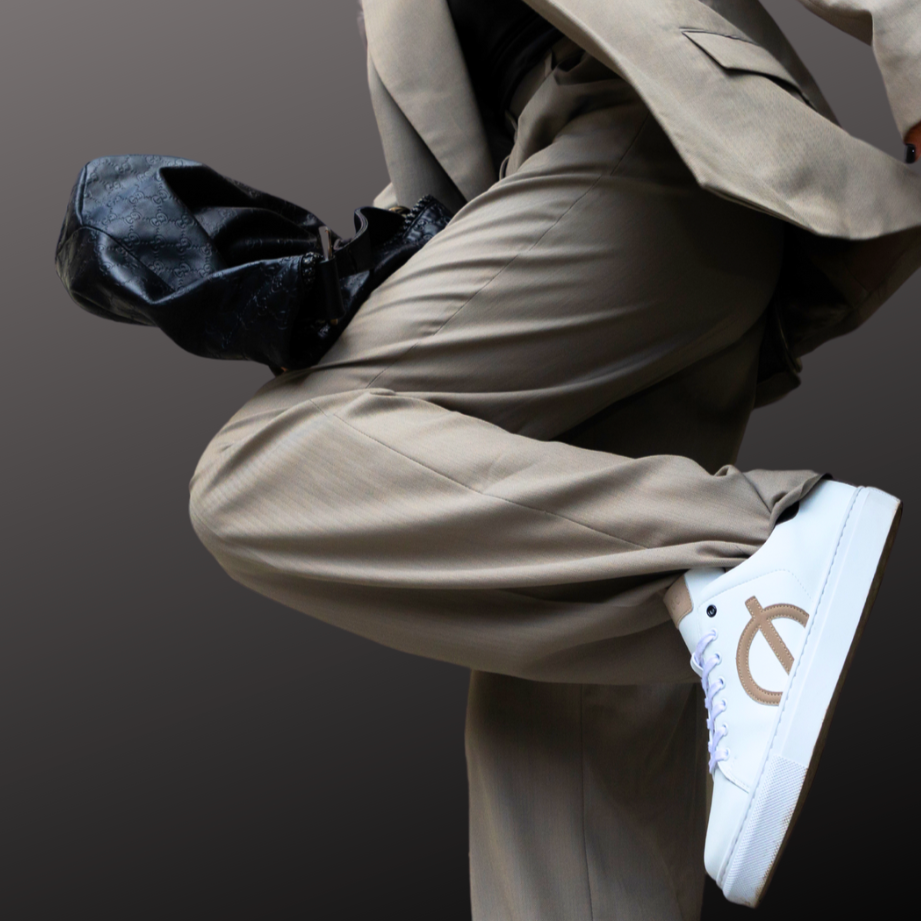
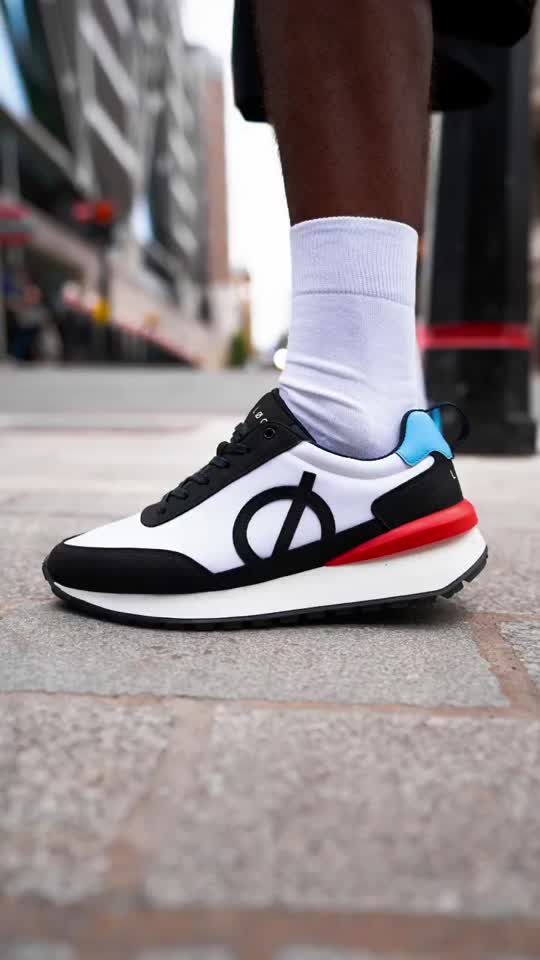
Match liner length to the trainer or sneaker silhouette. Pair low-cut trainers with no-show or very low liners to keep the ankle line clean and visually lengthen the leg. Use ankle-length liners with mid-height trainers to create a neat break at the shoe opening. Choose crew-length liners with high tops or chunky trainers to fill the ankle area and establish an intentional, athletic proportion. Adjust trousers and hems to control how much liner shows. Cuff or crop trousers to reveal a deliberate strip of liner for contrast or to break up the leg. Keep hems long and unbroken to conceal liner lines when you want a sleeker silhouette. Test different cuff widths to observe how the visible liner alters perceived leg length and overall balance. Choose material and thickness deliberately. Thin cotton or technical blends preserve a slim profile inside low-profile trainers, whereas thicker terry-feel or woollen liners add volume and a more casual, chunky aesthetic. Look for stretch and grip features to reduce slippage that can distort the trainer fit.
Beyond silhouette and volume, use colour and pattern to control focus. Tonal ankle layers that echo the trainers and trousers extend the visual line, making the leg appear longer, while high-contrast or patterned ankle accents draw attention to the shoes and create a clear focal point. Decide whether you want the trainers to blend in or stand out, and balance overall volume accordingly. Pair bulky or platform trainers with tapered or cropped trousers and slightly thicker ankle layers to harmonise proportions. Conversely, wear sleek trainers with slimmer ankle layers and streamlined trousers so the foot looks proportionate rather than overwhelmed.
Wear cropped tapered joggers to showcase deliberate liner contrast.

How to pair white trainers with layers for every outfit
Match liner height to the trouser cut. No-show liners with cropped trousers and skirts keep a clean trainer line, while ankle-length or crew-length options sit between trainer and hem when you want the foot to read as a deliberate accent. Use tonal continuity to lengthen the leg by choosing liners that echo your trousers or skin tone, or pick high-contrast or patterned options to draw the eye to the foot. Consider fabric and thickness relative to trainer shape and occasion: lightweight, low-bulk liners maintain a lean silhouette and reduce creasing in minimalist trainers, whereas terry or cushioned styles add comfort but increase apparent bulk around the collar.
To control ankle coverage beyond liner height and trouser cut, use simple styling: expose a measured strip of ankle by shortening the hem, roll ankle-length coverings just above the trainer collar for a retro touch, or opt for invisible liners to achieve a sockless look while managing sweat and friction. Coordinate visible ankle details with small outfit accents rather than matching everything; echo a subtle colour from your top, bag, or accessory to tie the look together. Keep visible ankle coverings neutral for smart-casual settings to preserve a streamlined silhouette, and introduce pattern or contrast for relaxed, playful outfits where the trainer becomes the focal point. Choose lighter fabrics and lower profiles to create slimmer lines, and select cushioned or terry-style materials when added bulk signals comfort.
How to choose and style socks with white trainers
- Match sock height to the trouser cut: use no-show liners with cropped trousers and skirts to preserve a clean trainer line, pick ankle socks to sit just above the shoe collar when you want a deliberate strip of sock, or wear crew socks when cuffed or cropped trousers make them part of the outfit.
- Colour and pattern change visual length: choose socks in tones close to your trousers or skin to create tonal continuity and lengthen the leg, or opt for high-contrast or patterned socks to make the foot a focal point; repeat any visible sock colour in a small accessory, keeping the rest of the outfit visually independent.
- Consider fabric and thickness relative to trainer shape: favour lightweight cotton or merino and low-bulk constructions to keep a slim silhouette and reduce creasing inside minimalist trainers, choose terry or cushioned socks for added comfort while accepting extra apparent bulk around the collar, and use no-show liners to manage sweat without changing the profile.
- Control visibility with simple techniques: cuff, crop, or roll trousers to reveal a measured strip of sock, roll socks just above the collar for a retro accent, keep visible socks neutral for smart-casual outfits, and reserve bold contrast or patterns for relaxed, playful looks.

Choose breathable, sustainable materials for ethical, longer-lasting trainers
When choosing foot coverings to flatter white trainers, focus on fibre structure: it controls moisture management and bulk. Cotton’s cellulose fibres absorb and hold moisture next to the skin, while plant-based wicking fibres such as lyocell pull sweat away and dry faster. Recycled polyester gives quick-drying durability, though it can retain odour unless treated. Seek blends that balance slimness, breathability, and longevity, and favour construction that reduces heat and visible bulk, such as open-knit panels, perforated uppers, flat toe seams, and low-profile cuffs. Look for targeted, lightweight reinforcement in heel and toe zones to extend service life without blocking airflow.
Also, verify sustainability claims using independent organic, chemical safety, and recycled-content certifications, and check full fibre content listings so you can weigh environmental impact against performance. For the slimmest, most invisible fit, choose thin, plant-based no-show liners made from lyocell or modal, or add a thin, breathable insole made from natural or recycled fibres when extra moisture control is needed. To preserve breathability and appearance, wash on a gentle cycle inside a laundry bag, avoid fabric conditioner, air dry flat away from direct sunlight, and rotate several pairs to allow thorough drying.
Rotate to a breathable mid-weight jogger for easy recovery.

How to fine-tune the fit, care, and finishing touches for your trainers
Ankle liner height shapes the leg line. Try no-show liners for an invisible ankle, low-cut liners to sit just below the trainer collar, and short crew liners to create a deliberate band of colour above the shoe. Put each option on with your trainers and walk a few steps to check visibility, slippage, and how the ankle proportion changes. Choose fibres for function as well as feel. Moisture-wicking blends and merino wool control dampness and odour, while thick cotton traps moisture, increases friction, and can yellow white trainers. Inspect construction for flat toe seams, reinforced heel cups, and silicone grips, and aim for a close but non-compressive fit that stays put when you move. Pinch the fabric and do a short indoor walk to locate hotspots and confirm overall comfort before you decide.
As you refine fit and construction, use colour, pattern, and texture deliberately. Match low-profile or no-show liners to your skin tone or pale neutrals so white trainers read as an extension of the leg. Choose tonal greys or soft pastels to soften contrast, or pick bold patterns and ribbed liners to make them the focal point. Lighter, matte textures reduce glare and help white trainers look cleaner. Fine-tune fit with thin insoles or discreet heel grips to stop heel slip, and rotate liners and trainers to allow materials to dry and recover. Wash liners inside out in a mesh bag with a gentle detergent, avoid chlorine bleach to prevent yellowing, then reshape and air-dry to preserve stretch, fit, and the clean appearance of your trainers.
Well-chosen liners balance fit, fabric, and height to make white trainers look deliberate, protect your feet, and extend shoe life. Try thin and cushioned liners while wearing the trainers: walk a few metres, test heel grip, and check toe-box room. Note how different colours and patterns alter the ankle line, and use any slipping, pressure points, or changed proportions as evidence to guide your choice.
Refer to the guide sections on fit, silhouettes, pairing, and materials, and experiment with no-show liners, low-profile merino blends, or cushioned low-profile options, while adopting simple care routines. Small adjustments, such as adding thin insoles, rotating pairs, or matching lower-layer colours, deliver noticeable comfort gains and position your trainers as an intentional element of the outfit.