

Make white vegan sneakers work for smart, office-ready looks without losing comfort
White vegan trainers can make office dressing both comfortable and polished when styled correctly. Yet many professionals hesitate, unsure how to interpret workplace dress codes, choose the right silhouette, and keep white trainers looking crisp.
This guide decodes common office dress codes, shows how white trainers can sharpen tailoring and add texture, and sets out outfit formulas for business casual and smart casual. Follow silhouette rules, use practical outfit templates, and learn simple care routines to stay comfortable and ready for the office without sacrificing polish.

How to Decode Workplace Dress Codes Without Sacrificing Style or Principles
Decode workplace dress codes by matching visible signals to likely sneaker acceptability. Tailored suits and dark, polished shoes on senior staff indicate business formal, where sneakers will probably stand out. Blazers paired with chinos suggest business casual, which often accepts a smart white sneaker with a leather-look finish. Smart casual favours clean lines and fewer ties, so a streamlined, matte sneaker worn with tailored trousers and a single-breasted blazer will read as intentional. Creative workplaces typically allow more personal expression. Run a quick workplace audit across a few working days: observe senior and client-facing colleagues, note footwear at meetings, check the staff handbook or intranet for explicit rules, and record written examples. Only photograph colleagues with permission, or rely on notes, to avoid privacy concerns. These signals and the audit evidence let you infer whether white vegan sneakers will blend in or draw attention.
If your workplace audit suggests trainers could fit in, use this presentation and upkeep checklist: - Keep uppers spotless and soles unmarked. Dirt and scuffs attract the eye, so regular cleaning helps trainers read as a deliberate style choice rather than sloppy footwear. - Tuck or match laces so they look tidy; uneven or mismatched laces signal a lack of attention to detail. - Replace insoles when they lose support. Good insoles preserve comfort and help the shoe keep its shape. - Repair scuffs and treat stains promptly to prevent small marks becoming permanent. - Rotate footwear between days to let materials rest and retain structure. Try them first on a quieter day, ask a trusted colleague or line manager for candid feedback, and carry formal shoes to swap if needed. If your role is client-facing or you work in a regulated environment, get written clarification from HR and keep the correspondence as a record to support future use.
Reserve a clean, premium jogger for casual office days.

How to style white trainers to elevate your officewear
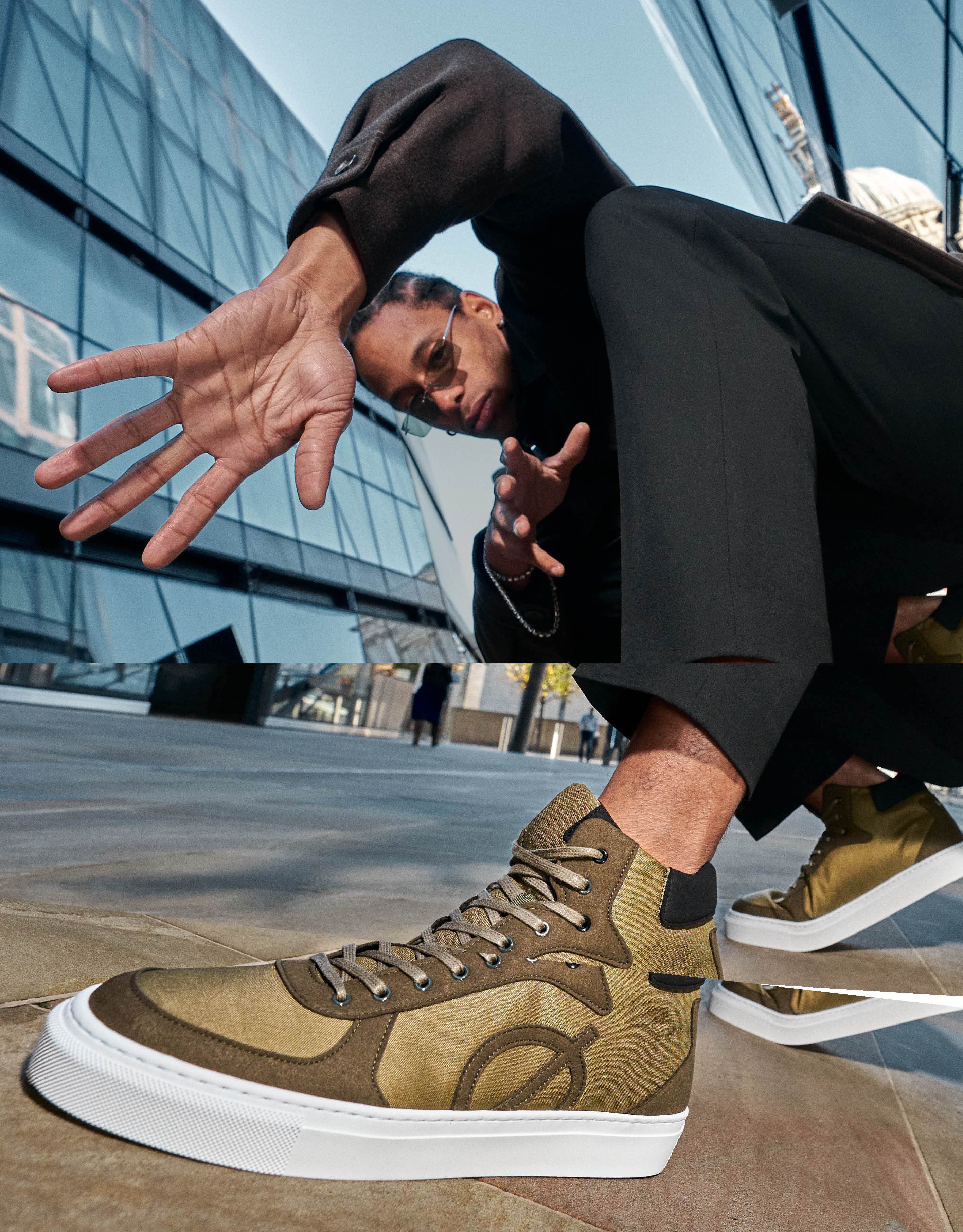
Create a smart silhouette by pairing slim-profile white vegan trainers with cropped, tailored trousers and a structured blazer. Keep the trouser hem close to the ankle to show a neat, professional break. Choose trainers with matte, leather-look or microfibre uppers, minimal detailing, and low-profile soles so they read refined rather than athletic. Add subtle texture—tonal stitching or perforation—to introduce interest without undermining formality. Stick to a restrained colour palette of navy, charcoal, camel, and crisp white, and align leather-look accessories like belts and bags for a cohesive, considered office-ready look. Photograph combinations under office lighting to judge proportion and formality, and favour the most minimal profiles where dress codes are stricter.
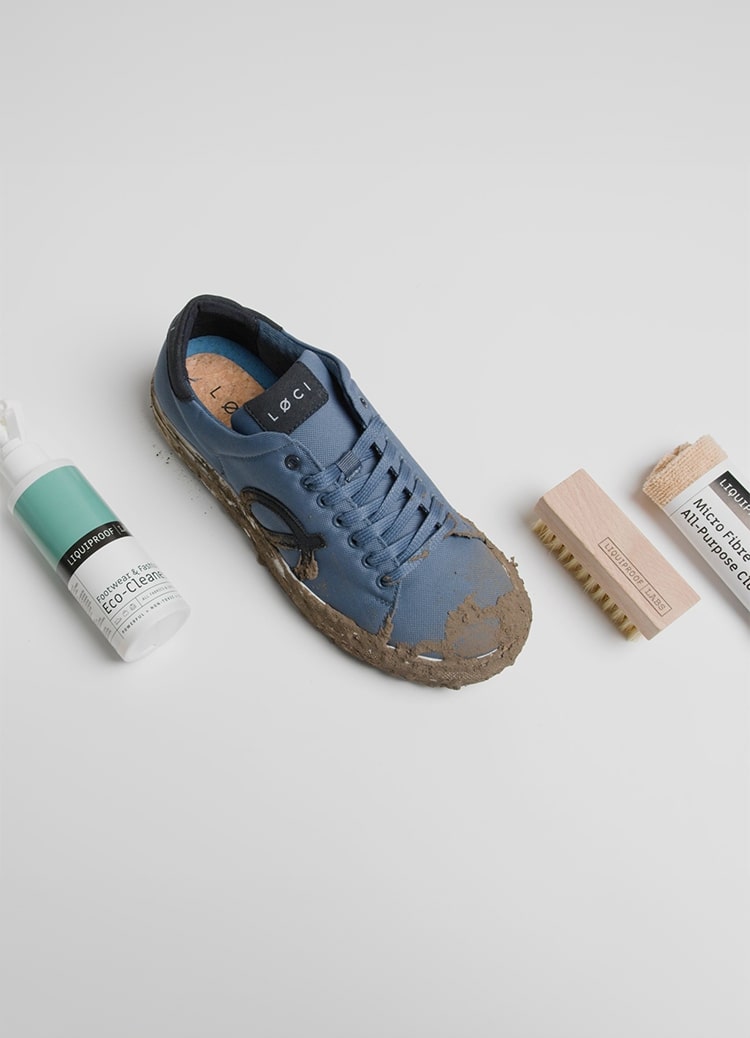
To keep the silhouette sharp, wipe marks away immediately with a damp cloth to prevent dirt from setting. For stubborn stains, work a gentle, pH-neutral cleaner in with a soft cloth or brush, blotting rather than scrubbing to protect the upper. Conceal scuffs with a colour-matching touch-up product to restore finish. Store trainers on shoe trees or in dust bags to retain shape and prevent creases. Wear the same pair to bridge smart suits, business-casual separates, and smart skirts to maximise versatility across your office wardrobe.
Add a refined layer to ground the smart-trainer look.

Pair tailoring and texture with the right trainer silhouette
Choose slim, low-profile trainers with a thin sole and minimal paneling to reduce visual bulk at the ankle and keep the shoe reading closer to a dress shoe silhouette. Pair them with structured tailoring and contrasting textures, for example a single-breasted wool blazer and midweight cotton-wool trousers, so the clothing signals formality even as footwear relaxes the look. Let trousers sit at the ankle bone or opt for a neat cropped length, and avoid long stacks or wide hems, since balanced proportions make the combination look intentional rather than juvenile. Keep trainers clean: wipe marks after each wear, swap scuffed laces for flat cotton ones in matching white, and tidy the soles to reinforce the shoes' role as a considered styling choice.
To make white trainers feel intentional, pair them with a white shirt, a matching pocket square, or a neutral palette of navy, grey, and camel. Choose low-profile or no-show liners to avoid disruptive colour blocks at the ankle. Keep hems neat, opt for minimal shoe panelling, and favour a slim sole to preserve a crisp silhouette that aligns with office dress codes while remaining comfortable. When you coordinate silhouettes, textures, proportions, and upkeep, the overall effect conveys considered tailoring rather than casual neglect.
Checklist and templates for pairing white trainers with tailoring
- Trainer-selection checklist: Choose a slim, low-profile silhouette with a subtle sole and an uncluttered upper, opt for smooth leather or a neat canvas, favour a rounded or slightly squared toe, select tonal stitching and neutral white or off-white, and avoid obvious logos so the shoe reads closer to a dress shoe.
- Styling templates: Office-appropriate — single-breasted wool blazer, mid-weight cotton-wool trousers cropped to the ankle bone, crisp white shirt, no-show socks; Smart-casual — unstructured blazer or knitted jacket, tapered chinos cropped above the ankle, fine-gauge polo or rollneck; Weekend and travel — lightweight topcoat or bomber, straight-leg trousers with a neat hem, breathable tee or merino crew.
- Maintenance, fit and finishing touches: Wipe marks after each wear, clean sole edges, swap scuffed laces for flat cotton ones in matching white, refresh removable insoles, and brush suede gently where applicable; ensure a snug heel fit and tailored trouser hems so proportions read deliberate rather than sloppy.
- Integration tips that read as intentional: Tie the trainers into the outfit with a white shirt, pocket square, or a neutral colour palette of navy, grey, and camel, choose low-profile or no-show socks to avoid disruptive colour blocks at the ankle, and prioritise small details — neat hems, minimal paneling, and a slim sole — to preserve a crisp silhouette appropriate for office dress codes.

Build versatile business-casual and smart-casual outfits that move with you
Opt for a minimalist white vegan trainer with a smooth, matte upper, low-profile sole, and restrained branding, allowing it to function as a purposeful element of a tailored outfit rather than casual footwear. Keep proportions neat by pairing them with cropped cigarette trousers or ankle-length tailored trousers to create a small, tidy gap between hem and shoe, or with midi skirts and dresses that reveal the trainer without breaking a long line. Combine textures and a restrained palette, such as navy, charcoal, camel, or muted pastels, with a crisp cotton shirt, fine-gauge knit, or single-breasted blazer to lift the overall look.
Signal professionalism by pairing trainers with invisible or no-show liners in neutral tones, and balance the casual silhouette with restrained accessories: a slim belt, a structured bag, or a classic watch. Care for your trainers by wiping away dirt after each wear to stop grit embedding in the material, brushing scuffs gently with a soft brush and mild soap, treating synthetic uppers with a water-repellent formulated for synthetics, and using shoe trees or crumpled tissue to retain shape. Well-maintained white trainers keep a crisp contrast against tailored pieces, so regular cleaning and shape maintenance noticeably sharpen smart-casual and business-casual outfits.
Add a refined fleece set for polished off-duty styling.

How to Maintain White Trainers and Perfect the Finishing Touches
How to clean canvas and synthetic-leather trainers: 1. Mix a small amount of mild detergent with warm water, and test the solution on an inconspicuous area first. 2. Use a soft brush or cloth to lift dirt from the upper, then blot away soap with a damp cloth. 3. Remove scuffs and rubber marks with a melamine foam eraser, or rub a paste of baking soda and water into marks with a soft cloth and wipe clean. Baking soda lifts surface stains without harsh solvents. 4. Allow trainers to air dry away from direct sunlight to reduce yellowing and adhesive breakdown. 5. Once fully dry, apply a water-repellent spray formulated for synthetic materials. Allow it to cure fully, and reapply periodically to maintain a breathable barrier against coffee, rain, and ink.
After cleaning, insert shoe trees, or stuff trainers with acid-free tissue, to hold shape and preserve cushioning. Store them in a breathable cotton bag or box, away from sunlight and heat, and rotate pairs so insoles can air. For a smart office finish, swap to thin, neatly tied white or neutral laces, buff eyelets and midsoles with a soft cloth to sharpen lines, and add low-profile insoles for extra comfort without changing the silhouette. Ensure trouser hems sit with a clean break above the trainer; that keeps proportions professional and the look intentional. Together, these steps keep white trainers crisp and extend their lifespan.
In summary, white vegan trainers can make office dressing feel both comfortable and professional. Choose a slim, low-profile silhouette and a restrained colour palette that matches your workplace dress code. Decode dress codes, pair tailored pieces with textured fabrics, and follow a simple upkeep routine so the trainers read as a considered, polished choice rather than casual neglect.
Start by testing the outfit templates, silhouette guidance, and cleaning steps on a low-risk day, and ask colleagues or your manager for candid feedback. Aim for balanced silhouettes, favour matt finishes, and clean the uppers and soles regularly so your trainers stay versatile, comfortable, and office-ready.
FAQ
What workplace dress codes are likely to accept white vegan trainers?
Look for visible signals: tailored suits and dark polished shoes usually mean business formal, where trainers will stand out, while blazers with chinos point to business casual and smart casual settings usually accept a slim, matte trainer; creative workplaces give the most leeway. Run a brief workplace audit by observing colleagues, checking the staff handbook, and noting footwear at meetings to confirm what will blend in.
How do I choose the right white vegan trainer silhouette for office wear?
Choose a slim, low-profile trainer with a thin sole, minimal paneling, a smooth matte or leather-look upper, a rounded or slightly squared toe, and minimal branding so the shoe reads closer to a dress shoe than sportswear.
How should I style white trainers so outfits remain professional?
Pair trainers with cropped, tailored trousers or midi skirts and a structured single-breasted blazer in a restrained palette of navy, charcoal, camel, or white, add a white shirt or pocket square to tie the look together, and wear low-profile or no-show socks so proportions stay clean.
How do I keep white trainers looking crisp and office-ready?
Wipe marks after each wear, use a mild detergent and soft brush for stubborn dirt, remove rubber marks with a melamine eraser or a baking soda paste, apply a water-repellent made for synthetics, and store shoes on shoe trees or stuffed with tissue while rotating pairs to retain shape.
When should I trial wearing trainers to work and how can I get approval?
Try them on a quieter day, bring formal shoes to swap if needed, ask a trusted colleague or line manager for candid feedback, and seek written clarification from HR for client-facing or regulated duties while keeping your audit notes as evidence.