


Can one vegan trainer cover a whole city break?
A two- to four-day city break is one of the best tests of a versatile trainer: travel days, long pavements, museum floors, changing weather and a dinner that feels smarter than your daytime plans. One vegan pair can handle that mix, but only when it is already comfortable, visually adaptable and suited to the forecast. The aim is to test one sensible pair against the actual itinerary, then build the rest of the packing list around it.
Start with the question that matters most: will this pair be comfortable after a full day rather than just for a quick coffee? If the answer is uncertain, pack a second option or change the plan. A walking-heavy break is the wrong time to experiment with an untested pair.

Make the one-pair decision from the itinerary
One pair is realistic when your plans centre on urban walking, public transport, cafés, museums and relaxed smart-casual evenings. It becomes a poor choice when the trip includes persistent rain, snow, technical trails, demanding hikes, serious workouts or an unusually formal event. A trainer may look polished, but it should not be asked to replace weather-specific or activity-specific footwear.
Before departure, wear the actual pair on several ordinary walks, including one longer outing, with the socks and insoles you expect to pack. Check that your toes can move without touching the front, your heel stays secure without pressure, and the shoe bends naturally at the forefoot. Notice cushioning, pressure points and how your feet feel later in the day, not just in the first ten minutes. Test traction carefully on dry ground; do not assume it will be suitable for slick surfaces or heavy rain.
For weather, look at the upper, seams and tongue and follow the product’s own care guidance. A few drops beading on an upper is only a useful indication, not proof of waterproofing. If the forecast is persistently wet, or drying opportunities will be limited, a second pair may be the more comfortable and practical choice.


Pack socks, layers and a compact care kit
Socks are part of the one-pair strategy, not an afterthought. For a two- to four-day break, pack one fresh pair for each walking day plus one spare. Choose the height and weight around your trousers, temperature and shoe fit: breathable, low-profile socks suit warmer days, while a warmer crew can add coverage in cooler weather. Cushioning is useful only if it does not make the trainer feel tight. Rotate pairs so the worn pair can air fully; do not rely on one pair drying overnight.
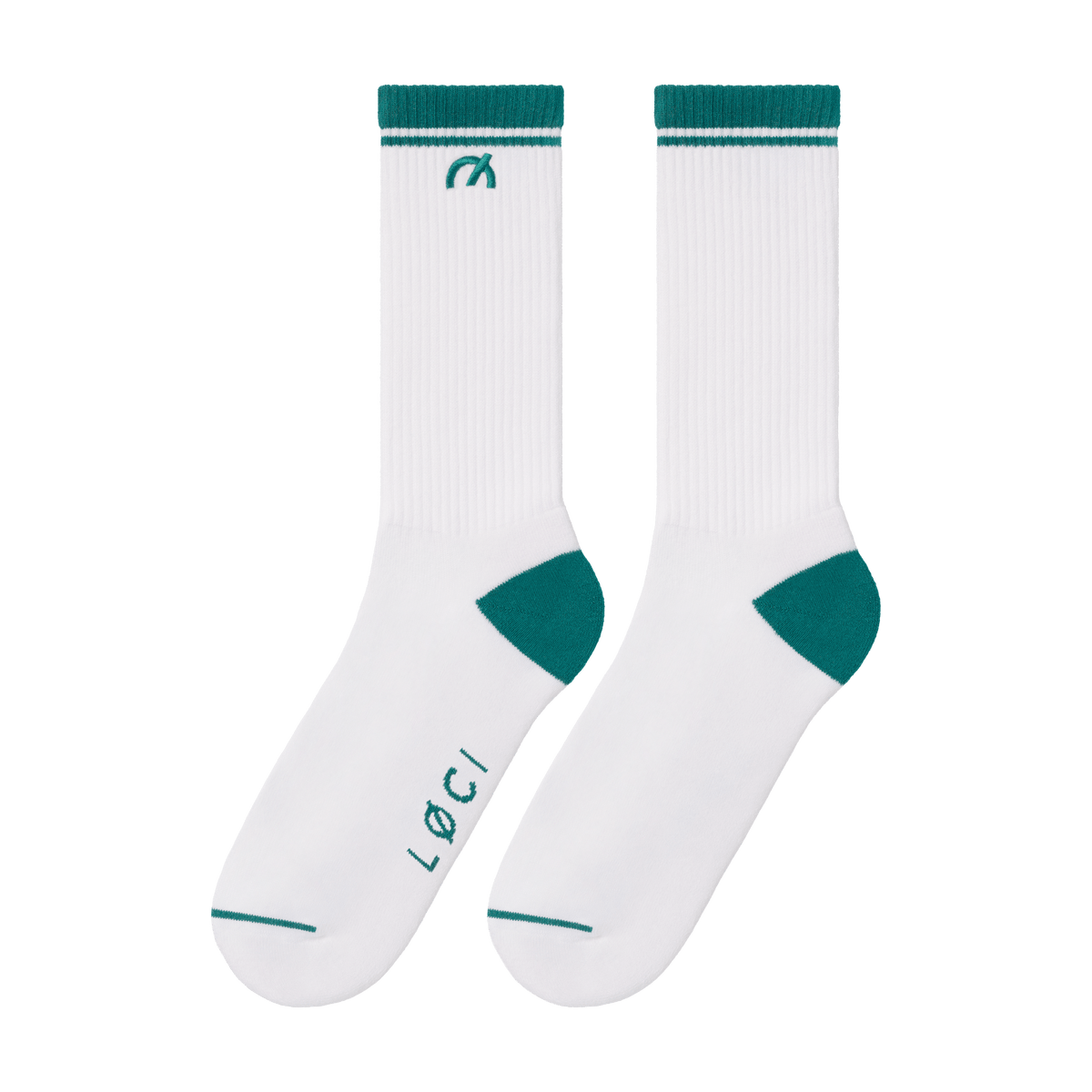
A stretchy cotton-blend option such as LØCI’s Stripe Cushioned Crew Socks can be a practical example when you want ribbing and strategic cushioning, but any comfortable, well-fitting rotation will do. Pack a lightweight layer that changes the look more effectively than another pair of shoes: an overshirt, fine jumper, relaxed blazer or neat jacket can take the same trainer from transport to dinner.
Use this compact checklist before you zip the case: 1) trainer checks, including toe room, heel security, forefoot flexibility, cushioning, traction and any signs of weather readiness; 2) sock rotation, with one clean pair per walking day, one spare, and a weight that leaves room in the shoe; 3) care kit, with a small soft cloth, a soft brush if needed, a little mild soap for spot cleaning, and a breathable bag or separate packing cube for worn socks. Keep quantities modest and let each item serve a practical purpose.
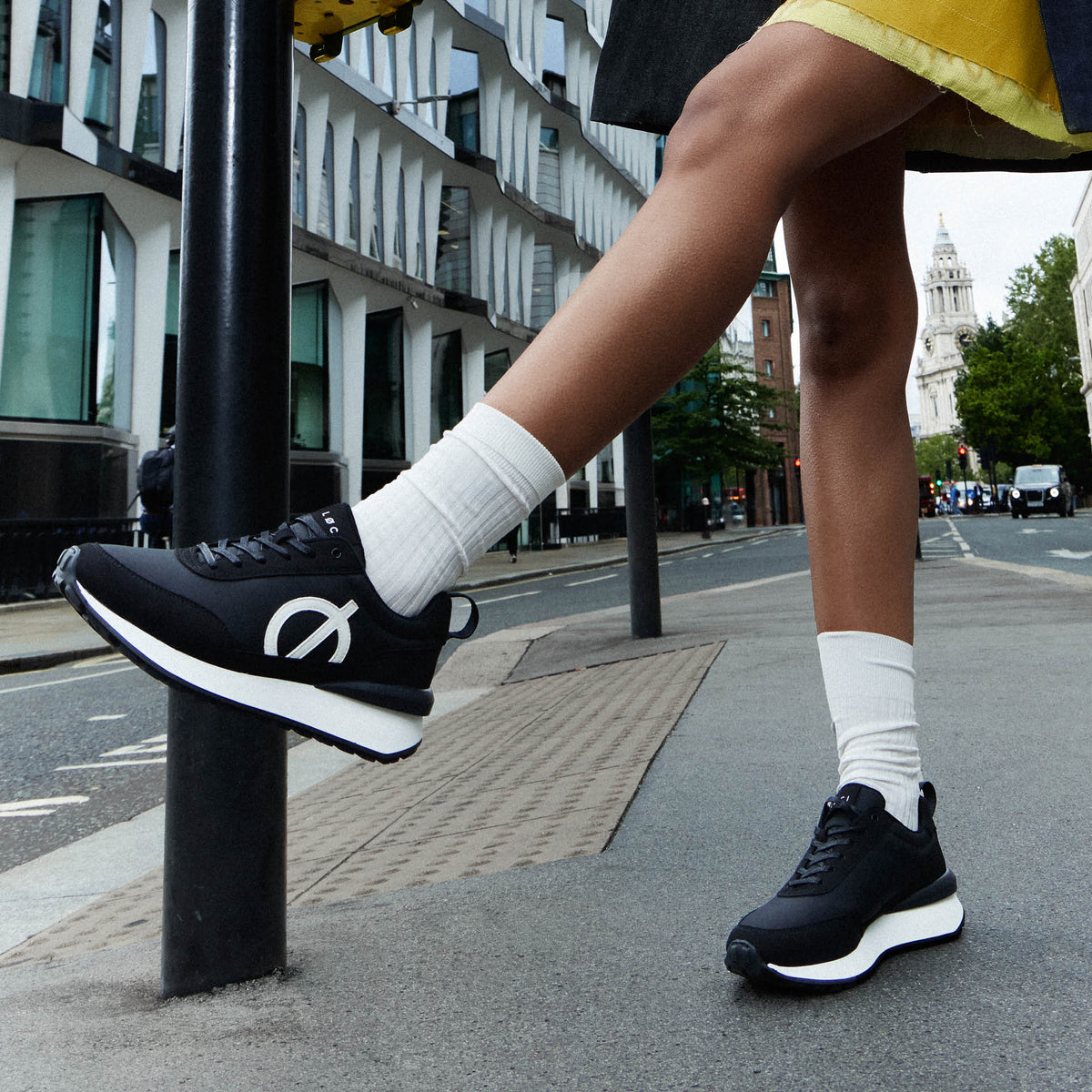
These examples fit the use cases just described. ØRIGIN Black/White is a timeless vegan silhouette inspired by classic tennis design, engineered for comfort and intended to move from denim to tailoring. VŌLT is the more lightweight, active-leaning example: a comfortable, 100% vegan trainer made from recycled ocean plastics and designed for active versatility. Neither removes the need to test the individual pair against your trip.


FAQ: packing one vegan trainer for a city break
How many pairs of socks should I pack? The number depends on your walking days and drying conditions, but fresh socks for each day plus a spare keeps the rotation comfortable. Choose the thickness around the fit of the trainer, and avoid adding cushioning that makes the shoe feel tight.
Can vegan trainers handle rain? That depends on the specific upper, construction and care guidance. Treat light showers and damp pavements as different from persistent rain, and do not describe a pair as waterproof unless the product information explicitly supports it.
How can the same pair look right for different plans? Wear the trainer with relaxed trousers or denim and a comfortable layer for travel, then change the impression with clean hems, a tucked top, a structured overshirt or a blazer for dinner. Neutral colours and a low-profile, uncluttered silhouette usually transition most easily, but the venue’s dress code still comes first.
When is one pair not enough? Use the itinerary as the deciding test: a second option makes sense when the footwear must serve a substantially different purpose from urban walking, or when comfort and drying time are likely to become limiting factors.
How should I care for vegan uppers after the trip? Brush off loose dirt, spot clean with a soft damp cloth and mild soap where appropriate, and air dry away from direct heat. Follow the product’s own instructions for its materials and avoid trying a new treatment without checking it first. Clean socks, aired insoles and a little attention after each trip can help you wear a suitable pair for longer.
A one-pair city-break plan works when the trainer is already proven, the itinerary is mainly urban and the weather is within its limits. Let the trip’s real demands guide the decision, then pack with enough flexibility to stay comfortable from station to sightseeing to smart-casual evening plans.
The most sustainable choice is often a suitable pair you will wear frequently and maintain properly. When rain, terrain, dress code or an untested pair changes the calculation, a second option supports comfort, reduces avoidable replacement and lets you enjoy the city with confidence.