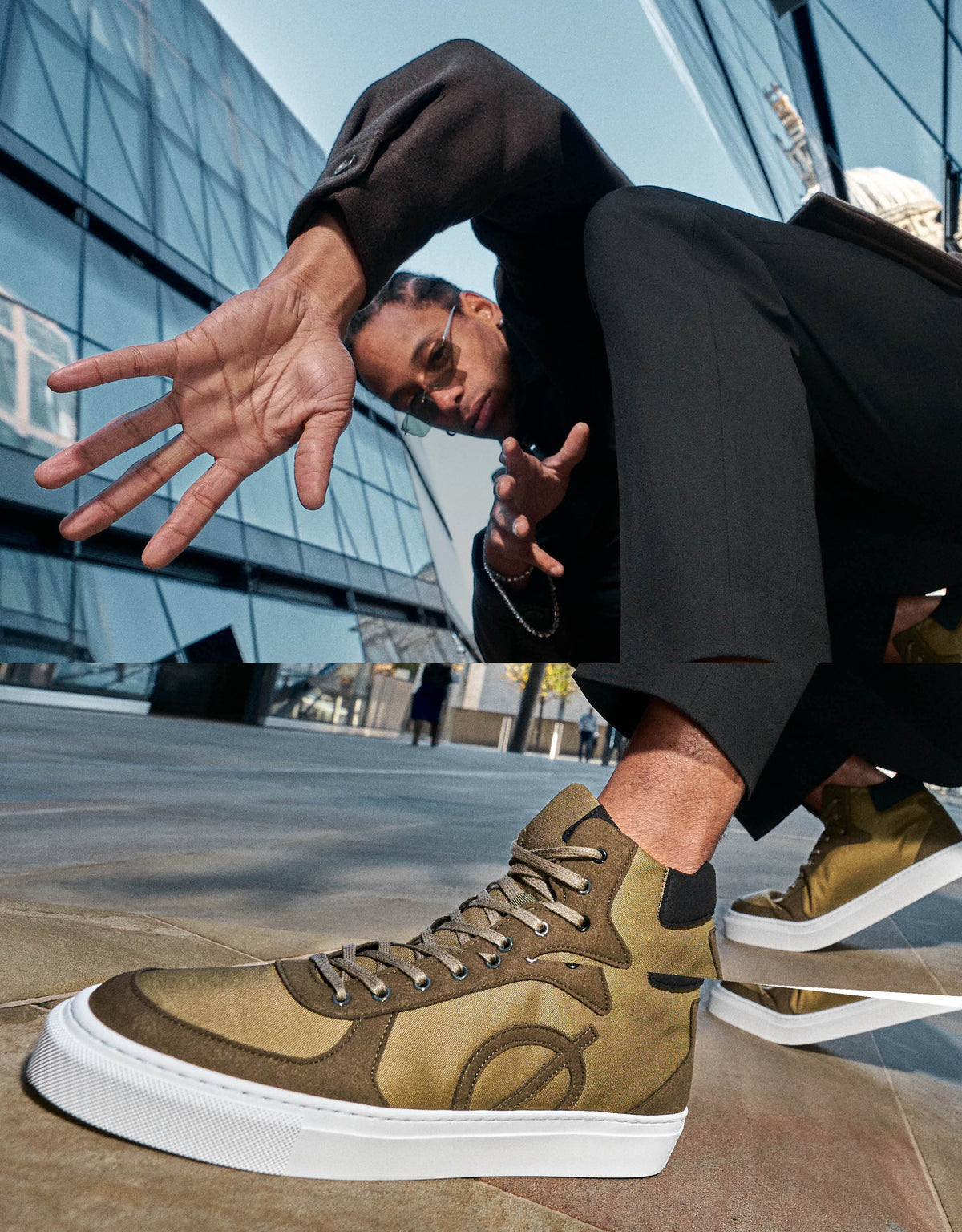

Article: How to Choose Vegan Sneakers That Deliver All-Day Comfort

How to Choose Vegan Sneakers That Deliver All-Day Comfort
Finding vegan sneakers that stay comfortable through long days often feels like balancing ethics, style, and the realities of movement. This guide shows how to match silhouette and fit to your activity and foot shape, and how materials, cushioning, and sole design influence comfort and durability.
Small choices such as choosing breathable linings, appropriate arch support, and a firm, supportive sole prevent blisters, cut fatigue, and help sneakers last longer. Read on for simple fitting checks and material tests to help you pick durable, low-maintenance, versatile vegan sneakers that move with you through every activity.

Choose the right sneakers for your activity and foot profile
Start by matching your sneakers or trainers to your main activities. For running and long-distance walking, choose responsive midsole cushioning to reduce repetitive impact on joints. For gym work that involves lateral movement, favour a flatter, more stable sole to support side-to-side force. For everyday walking and commuting, prioritise a flexible forefoot that lets your foot bend naturally. Then check your foot shape and movement. Do a simple wet test: wet your sole, step on a piece of paper or cardboard, stand evenly for a few seconds, and inspect the imprint. A broadly filled print suggests a lower arch and a tendency to pronate; a narrow, disconnected print indicates a high arch and likely supination; a moderate band points to a neutral arch. Also inspect outsole wear on an old pair: wear along the inner edge points to pronation, wear along the outer edge to supination, and even wear to a neutral gait. Note toe box width and any foot issues, such as bunions. Measure the widest part of your foot and allow about 5 to 10 millimetres of space in front of your longest toe to avoid compression. If you have bunions or pressure points, prioritise a roomy toe box and softer upper materials. Use these findings to target features that suit you: select a neutral or stability midsole to match your gait, a roomy toe box to prevent compression and irritation, and a snug heel cup to reduce slippage.
When trying on trainers, wear the foot coverings you plan to use, leave about a thumb’s width of space at the longest toe, and walk or jog briefly on a high street surface to check real-world fit. Experiment with lacing techniques to lock the heel or relieve metatarsal pressure. Confirm removable insoles lie flat, and if you need extra support, consider swapping in custom orthotics. Match materials to climate and durability needs: choose breathable knit or mesh uppers for hot weather, denser, coated textiles for wet conditions, and reinforced toe caps where abrasion is likely. To preserve long-term comfort, rotate pairs so cushioning can recover, replace insoles when support diminishes, and watch for midsole creasing, loss of rebound, or flattened tread as signs it is time to repair or replace the trainer. Regular cleaning and correct drying will help maintain material performance.

How to find the right fit and size for your trainers
Measure both feet while standing, after you’ve been on them, and trace each foot onto paper to capture true length and width. Compare the longest foot to a sizing chart, and leave about a thumb’s width at the toe to allow for natural expansion and toe splay. Check that the trainer's flex point lines up with the ball of your foot, and bend the trainer to confirm, since misalignment concentrates pressure and often causes hotspots and blisters. Try the shoes on with any liners or orthotic inserts you plan to use, then walk, climb stairs, and change pace to reveal heel slippage, rubbing, or midfoot pinch that static standing can miss.
Choose a roomy toe box and a firm heel counter. Space for your toes reduces bruised nails and eases pressure on bunions, while a stable heel cup prevents slippage and lowers strain on the Achilles. Remember that vegan textiles and synthetics vary in stretch and breathability, so favour removable insoles, adaptable lacing, or extra eyelets to fine-tune the fit. Check the return and exchange policy before you buy, since fit can change as a sneaker settles with wear.

Choose breathable vegan materials and linings for comfort and performance
When assessing breathability in trainers and sneakers, focus on the uppers and the linings. Natural plant-fibre uppers, such as organic cotton, hemp, and bamboo, absorb sweat and feel cool against the skin, but they tend to hold humidity and dry more slowly. By contrast, open-weave technical meshes and recycled polyester create air channels that move moisture away from the foot and dry faster. To check a pair quickly, hold the upper up to the light or try blowing through it to see how freely air passes. Also check the product description or inner label for terms like moisture-wicking, Tencel, bamboo viscose, or mesh panels. For linings, look for fabrics that wick sweat away from the skin to reduce clamminess, and avoid impermeable coated fabrics that trap dampness and slow evaporation.
Additionally, choose removable, breathable insoles such as cork, open-cell foam, or perforated textile. These let air circulate and can be aired or replaced between wears to reduce odour and dampness. If the factory insole feels impermeable, swap it for a ventilated or wicking replacement to improve all-day comfort. Inspect the shoe for passive ventilation features, such as toe-box perforations, side mesh inserts, laser-cut vents, and stitched panels that avoid full lamination, and favour uppers with visible weave or perforation patterns. Fit matters too. A shoe that is too tight compresses breathable layers and chokes airflow, while rough seams and bulky heel linings create hot spots, so when trying trainers, sneakers, or high tops wear the same thickness of hosiery or foot liners you plan to use, move around, and press the upper to check for springback.
How to choose and keep shoes genuinely breathable
- Check the upper and fit in person: hold the upper to the light or blow through it; visible weave, open mesh panels, or toe-box perforations that pass light or air indicate real airflow, while a shoe that compresses when you press it or feels tight with the socks you intend to wear will reduce ventilation and create hot spots.
- Read linings and label keywords: look for moisture-wicking linings and terms such as Tencel, bamboo viscose, open-weave mesh, or recycled polyester; avoid fully coated or laminated inner layers that trap moisture and slow evaporation.
- Swap to breathable insoles and passive vents: choose removable cork, open-cell foam, or perforated textile insoles you can air between wears, and replace impermeable factory insoles with ventilated alternatives; inspect for stitched panels, laser-cut vents, or side mesh inserts you can preserve or augment.
- Care to preserve airflow and limit odour: alternate pairs, remove and air insoles after use, wash or spot-clean plant-fibre and mesh uppers according to their care instructions, and store shoes somewhere airy with natural deodorisers such as baking soda or cedar to keep dampness and smells from building up.

How to prioritise cushioning, arch support, and sole structure when choosing trainers
When testing trainers or sneakers, press the heel and forefoot with your thumb, then step down and note how quickly the midsole rebounds. A slow rebound or a lasting imprint suggests the foam will compress with prolonged wear. Remove the insole and stand on it to compare its manufactured contour with your arch. If it holds its shape, you can trial aftermarket orthotics to address gaps or pressure points. Look for visible midsole layers or textured foam, which indicate zoned cushioning rather than a single, overly soft block.
Bend and twist the trainer to test flex: it should give at the ball of the foot, not the middle. Excess twist indicates weak midfoot support, while no flex will resist your natural roll. Check the heel-to-toe drop by comparing the heel cup height with the forefoot, because a lower drop shifts impact forward and can change where you feel strain on long days. Inspect shock-absorbing features such as a deep heel cup, a firmer medial midsole, and segmented outsole rubber, then walk on hard surfaces for several minutes to judge initial impact and how quickly your calves and knees tire. Try the trainers with the same foot layering you normally use, bring any insole you usually wear, and if cushioning fades quickly consider a supportive aftermarket insert or rotating between pairs to extend midsole life.

Pick durable, low-maintenance trainers that adapt to every outfit
When sizing up vegan sneakers, compare the upper (the material covering the top and sides of the foot) for breathability, abrasion resistance, and water repellency, and check the product notes for layered fabrics and membrane details. In store, squeeze and bend the upper to gauge stiffness and likely creasing, press the heel to assess rebound and long-term cushioning, and twist the shoe to test torsional stability. Take a few steps to judge energy return and underfoot traction. These quick checks reveal how a shoe will cope with wear, moisture, and daily use, helping you balance comfort with durability.
Beyond assessing the upper and stability, measure both feet and try trainers with the foot covering you normally wear. Leave about a finger's width of toe room, and check for a secure heel lock. Favour designs with removable insoles so you can add orthotics or swap cushioning as required. Maintain them by wiping or brushing surfaces after wear, applying a compatible fabric protector to repel moisture and dirt, rotating pairs so cushioning can recover, and air drying away from direct heat to avoid damage. Choose neutral colours, minimal silhouettes, and textured finishes that mask scuffs, so a single pair will work with smart-casual trousers, dresses, and outerwear. Try them with outfits on the high street to confirm how versatile they feel in real-world combinations.
In summary, choose vegan sneakers by matching silhouette, fit, and materials to your activities and foot profile. Breathability, cushioning, and sole construction shape long-term comfort and longevity, because poor breathability traps moisture, which accelerates odour and material breakdown. Use these simple checks when trying shoes on. Try them on wearing the footwear you typically pair with trainers to reproduce real-world fit. Allow around a thumb's width at the longest toe so your foot can move naturally. Bend the shoe at the ball of the foot; it should flex where your foot flexes. Press the midsole; it should spring back rather than stay compressed, which indicates resilient cushioning and better longevity. Finally, run a hand along the lining and check ventilation points for rough seams or restricted airflow, both of which create hot spots and expose material limits.
Prioritise removable insoles, a firm heel counter, and breathable uppers when assessing trainers. Removable insoles make it simple to replace worn cushioning or fit orthotics; a firm heel counter improves stability and reduces slippage; breathable uppers manage moisture, helping materials last longer. Choose designs that let you rotate pairs, replace components, or repair soles to spread wear and extend service life. Try trainers on the high street, check the returns and exchanges policy, and fit aftermarket insoles if needed to maintain comfort and performance through extended wear.
FAQ
What features should I prioritise to keep vegan sneakers comfortable all day?
Choose a roomy toe box, a firm heel counter, breathable uppers, removable insoles, and midsole cushioning matched to your activity so toes can splay, the heel stays locked, and impact is absorbed throughout the day.
How do I check the fit and size before buying?
Measure both feet while standing, try shoes with the socks and any orthotics you will wear, allow about a thumb's width at the longest toe, confirm the shoe flexes at the ball of the foot, and walk or jog on a high street surface to reveal slippage or hotspots.
Which vegan materials offer the best breathability for different conditions?
Open-weave technical mesh and recycled polyester wick moisture and dry quickly for hot weather, while plant fibres such as organic cotton, hemp, or bamboo feel cool but hold humidity and dry slowly; avoid fully coated or laminated linings that trap dampness.
How can I judge cushioning and midsole durability in the shop?
Press the heel and forefoot to test rebound, step down to feel impact, remove the insole to compare arch shape, and bend and twist the shoe—flex should occur at the ball of the foot rather than the middle—to assess support and likely midsole longevity.
When should I repair or replace components to maintain comfort?
Rotate pairs, air or remove insoles after wear, and replace insoles when support fades; repair or replace shoes when you notice persistent midsole creasing, loss of rebound, or flattened tread, and keep uppers clean and air dried to preserve materials.