

10 Ways to Keep Everyday Outfits Polished with Trainers
Trainers bring comfort, but they can make an outfit feel accidental rather than intentional. How can you keep them looking polished without losing ease?
Use ten practical strategies to make trainers work in smart-casual and office settings. Audit your wardrobe, choose the right silhouette, and balance proportions with tailoring. Make small adjustments to fit, fabric pairings, accessories, and care to elevate looks for work, weekends, and travel, while keeping comfort, support, and sustainability front of mind.

1. Audit your wardrobe to create a practical, sustainable daily capsule
Photograph and list every garment you reach for. For each item, note how often you wear it and the occasions you wear it on to reveal repeats and pieces that sit unused. Map a typical day, including commute, meetings, errands, and childcare, to identify which fabrics, finishes, and trainer qualities need durability, water resistance, or a smarter finish. Try on full outfits with your trainers to check proportions, and mark hems, waistlines, and sleeve lengths that need tailoring or repair. Use those notes to simplify your wardrobe and create clearer silhouettes.
Turn the audit into three repeatable outfit formulas that sit comfortably with trainers: - Smart trousers, a fine-knit jumper, and a structured coat. - A midi dress paired with a cropped jacket. - Tailored jeans, a crisp shirt, and a blazer. Limit your wardrobe to a compact palette of neutrals, plus one or two accent colours, so mixing feels intentional and easy to maintain. Assemble a small finishing kit: a belt, a lightweight scarf, and essential trainer-care items to preserve fit and polish between washes. Together, these steps reduce decision fatigue, reveal where tailoring is needed, and keep everyday looks cohesive and visibly well kept.
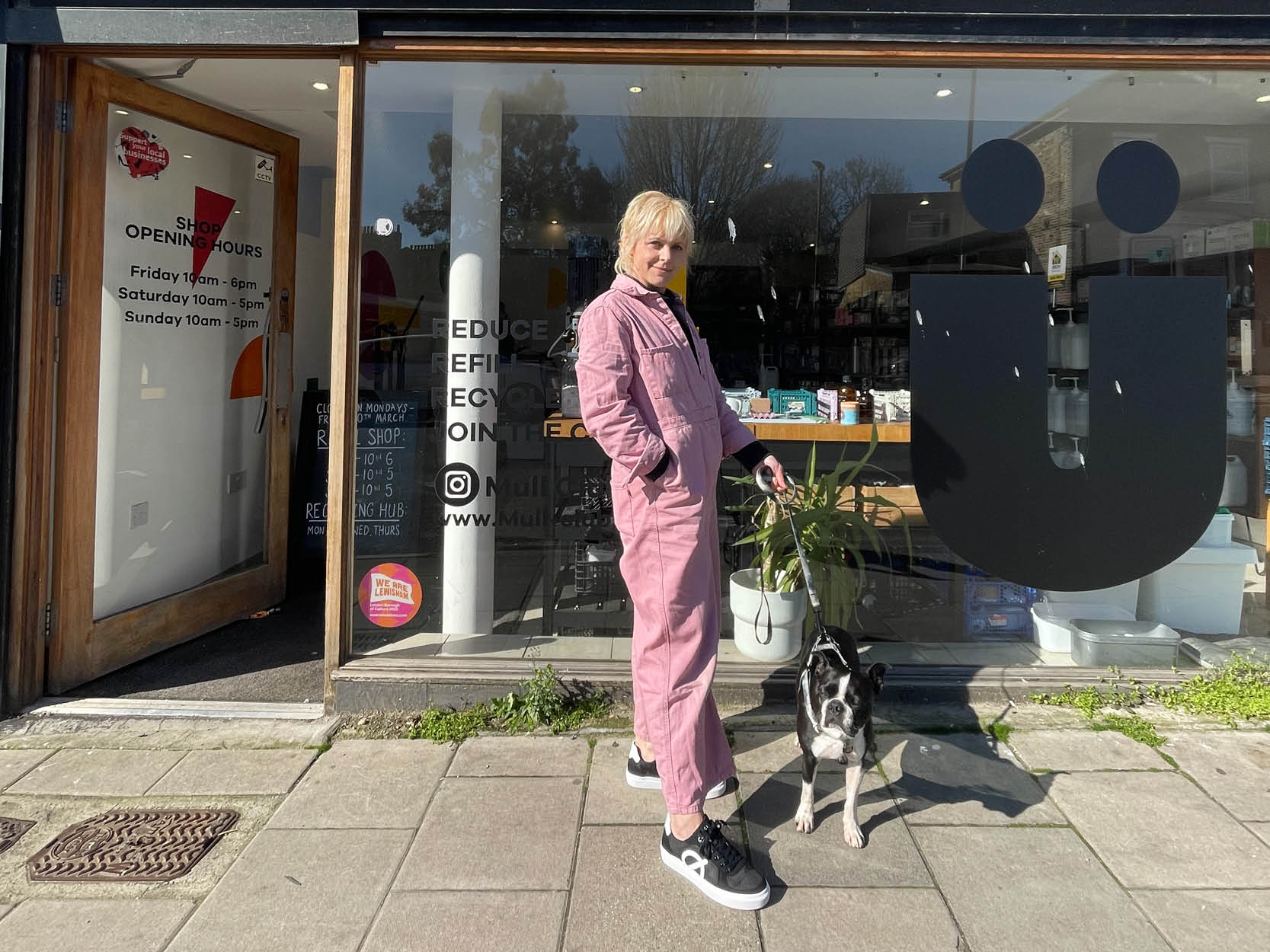
Adopt a relaxed two-piece set for effortless daily uniform.

2. Choose the right trainer silhouette for comfort, fit, and style
Match the trainer profile to the trouser shape. Low-profile, slim-soled trainers let tailored trousers and straight-leg jeans sit cleanly at the hem, preserving a refined line. Chunkier or platform trainers add volume, which balances wide-leg or cropped silhouettes. Choose streamlined trainers when you want smart-casual versatility: sleeker toe boxes, minimal seams, and restrained sole height read closer to a shoe and pair naturally with blazers, shirts, and dresses. That reduced visual contrast helps an outfit feel intentional. Use sole shape and detailing to fine-tune how much edge you introduce.
Use high tops and mid cuts, common trainer shapes, deliberately as structural pieces. High tops add ankle coverage that anchors wide or cropped trousers, while mid cuts sit confidently under skirts or tapered trousers without overwhelming the lower leg. Sole shape and thickness govern perceived formality: flat, thin soles elongate the leg and keep looks neat, whereas pronounced tread, chunky soles, or platforms push an outfit toward casual, contemporary energy. For a polished result, favour unbroken panels, tonal colour, and subtle textures. Avoid busy overlays, loud contrast, and large branding, which create visual clutter and pull an outfit toward the casual end of the spectrum.
Anchor sleek trainers with a tonal, minimal tracksuit.

3. Prioritise fit, support, and movement
Start by trying them on with the same foot layering you normally wear. Stand and walk, then gauge toe room at about a thumb's width, and ensure heel slip stays under one centimetre. Notice any hot spots or pressure while climbing stairs or squatting, and rule a pair out if discomfort persists. To dial in support and achieve a cleaner silhouette, adjust the lacing and tongue: use a lock lacing or runner's loop for stronger heel hold, tuck excess lace or switch to parallel lacing for a neater vamp, and position the tongue so it sits flat under trousers. These objective checks help you choose trainers that stay comfortable and maintain a tidy line with everyday clothing.
Assess arch and midfoot support by walking, then by standing briefly on one leg. If a trainer feels unstable, add a thin supportive insole or an arch insert; improved support helps posture and reduces slouching that can make trousers sit unevenly. Mimic everyday movements, including walking, sitting, and bending, to observe how trousers fall over the shoe collar, whether fabric bunches at the ankle, and whether cropped lengths or a slight roll create a cleaner line. Rotate pairs so cushioning has time to recover between wears; remove and air the liners after use to keep them dry and prevent midsole collapse. Reshape uppers with stuffing or a shoe form when shoes are not in use to reduce creasing and preserve a polished appearance.
Choose a structured sweat set for cleaner outfit lines

4. Pair colour, texture, and material with purpose
Anchor an outfit with a simple palette: pick two neutrals and one accent, then repeat that accent in your trainers, a top, or an accessory so the look reads intentional rather than accidental. Match material weight and finish: pair chunky, technical trainers with structured outerwear or thicker knits, and sleek leather trainers with tailored trousers or silk blouses to keep proportions aligned and avoid visual dissonance. Add texture contrast to create depth, for example matte trainers against a slightly lustrous coat, or suede trainers with crisp cotton. Echo small details, such as tonal stitching or sole colour, in a bag trim, belt, or scarf so the outfit feels curated.
Factor fabric performance and care into decisions about trainers and complementary pieces. For wet weather, favour water-resistant finishes and darker colours; for heavier activity, choose breathable meshes or natural fibres so garments keep their shape and look neater over time. Match material to function to reduce maintenance and avoid mismatched proportions that make an outfit look accidental. Use contrasting surfaces and repeated accents to guide the eye and elevate simple combinations without extra accessories. Small, intentional echoes in colour, texture, and finish help trainers read as a considered part of the outfit rather than an afterthought. Choosing durable, easy-care materials also extends a garment’s life, cutting waste and keeping your wardrobe purposeful.
Anchor outfits with a mid-weight, low-maintenance sweat set.

5. Use tailoring to balance proportions in your outfit
Trim trouser hems to sit just above the trainers' soles, or ask a tailor to remove the break. A shorter hem creates a clean ankle line and visually lengthens the leg while keeping the outfit relaxed. Balance oversized coats or shirts with slim, tapered trousers or a fitted top; the contrast between roomy and tailored pieces defines proportion and frames the trainers as an intentional styling choice.
Define your waist with a half-tuck, a belt, or a tailored jacket to counterbalance wide-leg silhouettes and keep proportions when trainers add visual weight at the foot. Check jacket sleeve and shoulder fit: sleeves should finish at the wrist or slightly shorter, and the shoulder seam should sit on your natural shoulder to preserve a neat, tailored line. Treat ankle height, cuff width, and trouser taper as a single system, and test combinations in a full-length mirror so you can adjust hems or the way you cuff trousers accordingly.
Pair with a tapered tracksuit for cleaner ankle lines

6. Make trainers office-ready for polished, smart-casual looks at work
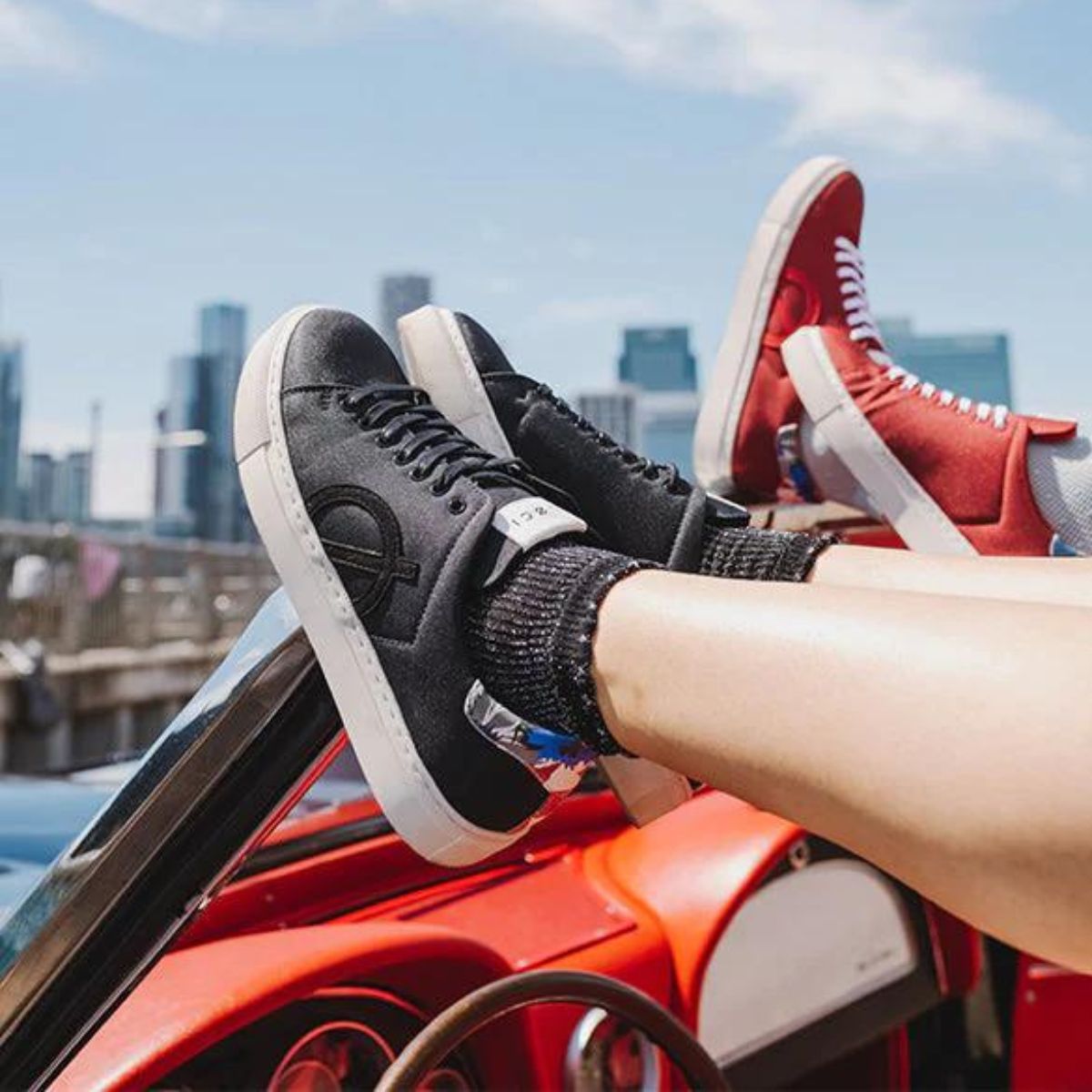
Choose a streamlined trainer silhouette in vegan leather, suede-like microsuede, or matte, low-sheen fabrics. Minimal stitching, a low profile, and a subdued sole reduce sporty cues and help the shoe read as more formal alongside tailored pieces. Keep trainers immaculate: clean soles and rubber edges with a soft brush and mild detergent, lift scuffs with a suede brush or a melamine eraser depending on the material, replace worn laces with flat, waxed, or tonal ones, and treat synthetic leathers with a specialist cleaner or a damp cloth so the shoes appear deliberately maintained. Unify the outfit through colour and texture by picking an anchor colour for shoes and accessories, or staying tonal so trainers blend with office attire rather than stand out as athletic gear.
Pair trainers with structured pieces to create deliberate contrast: cropped tailored trousers, a single-breasted blazer, or a midi skirt introduce smart lines that counterbalance casual footwear. Mind the small details that make the look feel polished: keep the ankle clean with no-show liners or fine-knit foot coverings, avoid visible logos and technical fabrics, and shorten trouser hems for a neat ankle break. Add simple accessories, such as a slim belt and a classic watch, to anchor the outfit. Together, these adjustments keep the ensemble coherent and ensure trainers come across as smart-casual rather than purely sporty.
Choose a tonal jogger to anchor a quiet outfit

7. Build weekend, travel, and active-inspired outfits from versatile wardrobe staples
Build a compact travel capsule around two complementary bottoms, for example tapered jeans and a tailored jogger or chinos, three versatile tops in differing weights, and a lightweight, structured outer layer. Two bottoms and three tops create six base outfits; add the outer and simple layering and you can double that to around a dozen combinations, letting one pair of trainers cover daytime activity, evenings out, and transit days. Keep the colour palette cohesive to reduce packing and decision fatigue, and choose cropped hems, tapered trousers, or slim joggers so the shoe silhouette stays visible. Balance chunkier trainers with a structured coat or blazer to sharpen the line, giving outfits a more considered, finished appearance.
Pair breathable technical tops or performance layers with cotton, wool, or twill to marry active comfort with a smarter silhouette; technical fabrics wick moisture and dry quickly, while woven textures add structure and polish. Add small accessories, such as low-profile liners, a compact scarf, and a streamlined crossbody or tote, to create focal points, minimise travel creases, and make trainers feel purposeful. Prioritise practical details for long days away: choose trainers with secure lacing or slip-on ease, cushioned insoles, and grippy soles. Keep trainers clean and scuff-free so they support all-day wear and help outfits look deliberately groomed.
Choose a tapered tracksuit for streamlined, travel-ready comfort

8. Style trainers with dresses, skirts, and tailored trousers
Choose low-profile trainers for floaty dresses or midi skirts to elongate the leg. Reserve chunkier trainers for structured tailoring or tapered trousers so proportions feel intentional, not overwhelmed. Finish hems so skirts and cropped trousers sit just above the ankle or just below the widest part of the calf, creating a narrow visual break that lengthens the silhouette. Tuck, half-tuck, or add a slim belt to define the waist. Get tailored trousers hemmed to sit cleanly on top of the trainer upper; small alterations at the waist or hem noticeably sharpen the overall look.
Pair casual trainer materials with silk, wool, or crisp cotton to signal considered dressing. Echo a trainer trim or sole colour elsewhere in the outfit for visual cohesion. Control the details: choose low-profile or no-show liners when you want a neat line, keep laces tidy, or swap them for a tonal pair. Touch up scuffs so trainers read as intentional, and add one structured accessory, such as a belt or bag, to lift the outfit. Make small adjustments to proportion, hem, and textiles, together with tidy finishing, so trainers sit comfortably within polished outfits rather than look accidental.
Add a tonal tracksuit for considered head-to-toe polish

9. Elevate Your Trainers with Sustainable Accessories That Boost Style and Function
Swap plain cotton laces for waxed or plant-based leather alternatives, or choose a neatly tied, tonal pair to sharpen the trainer's line and give the shoe a more intentional, tailored look on the foot. Carry a structured bag in stiff canvas or a plant-derived leather alternative to anchor the outfit; its clean, angular shape will contrast with relaxed trainers and create the composed silhouette found in tailoring. Match metal tones and textures across small accessories, such as a watch, belt buckle, or necklace, to the trainer's hardware to introduce subtle repetition that unifies the look.
Use liners as a styling tool: opt for no-show liners or thin, ribbed ankle liners for a streamlined finish, or let a patterned or textured liner peek above cropped trousers for a considered, modern detail. Introduce a single elevated accessory as a focal point, for example a vegan leather belt in the same colour family as your bag, or a lightweight, silk-effect scarf. That one refined piece lifts casual trainers without overcomplicating the outfit, giving the overall look a purposeful, curated feel. Small, coordinated adjustments like these alter how trainers read within an outfit and make everyday looks feel more composed and tailored.
Anchor trainers with a clean, coordinated tracksuit.

10. How to care for trainers and choose sustainable options
Start with a simple routine: dry-brush to remove loose dirt, take out laces and insoles, spot-clean with a mild detergent or a specialist cleaner suited to the material, then air-dry away from direct heat. Test any cleaner on a small hidden area first to check for colour loss. Match the method to the upper material: use a soft brush and a gentle leather conditioner for smooth leather, a suede brush and protective spray for suede, and a fine-mesh wash with mild soap for breathable textiles. Regular cleaning removes grime that accelerates wear on the sole and upper, helping trainers look newer for longer and extending their usable life.
Rotate and rest trainers between wears to let cushioning recover and moisture evaporate. Insert shoe trees or crumpled paper to retain shape and absorb dampness. Repair rather than replace where possible: swap worn insoles and laces, re-stitch minor seams, or use resoling and professional repairs to preserve structure and extend usable life. When buying, favour durable construction, replaceable parts, and clearly labelled end-of-life options such as recyclability or take-back schemes. Choose trainers designed for repair, or buy second-hand, to reduce environmental impact while keeping a neat, polished appearance.
Integrate trainers into everyday outfits without losing polish by aligning fit, silhouette, and material with the rest of your look. Keep shoes clean, hems correctly tailored, and choose a coherent palette to preserve continuous lines. Repeat small details, such as a matching trim or texture, to make combinations look considered.
Turn practical steps into habit: audit your wardrobe to identify gaps and duplicates, pick a trainer silhouette that complements the cut and length of your trousers, use tailoring to balance proportions, and care for your trainers so they retain shape and finish. Start with one reliable formula and you will notice cleaner lines, less decision fatigue, and outfits that feel intentionally curated and ready for any occasion.