
3 Powerful Ways Durable Clothing Supports a Greener Future
Imagine the impact if a single shift in how you select your wardrobe could cut emissions, conserve water, and keep waste out of landfill for good. Fast fashion and fleeting trends demand constant manufacturing, amplifying their environmental footprint every step of the way—from fabric to end of life.
This guide empowers you to evaluate a garment’s true environmental impact, select resilient materials and thoughtful design, and extend its life through mindful care, repair, reuse, and recycling. Discover actionable ways to minimise each item’s ecological footprint while keeping your wardrobe both purposeful and stylish.
1. How to Evaluate a Garment's Lasting Environmental Impact
Breaking down the life cycle of a garment — from raw materials and manufacturing to transport, use, and end of life — highlights where environmental impacts are greatest. Life cycle assessments consistently show that production and the use phase make up the bulk of greenhouse gas emissions and water footprints, so making improvements here can drive meaningful change. A straightforward way to gauge impact is to calculate the carbon footprint per wear: add estimated emissions from production and transport to those from washing, then divide by the expected number of wears. For example, if a garment generates a total of 40 kg CO2e across its life, wearing it 200 times brings the impact down to 0.20 kg CO2e per wear, but only 50 wears pushes it up to 0.80 kg CO2e per wear. This simple maths shows how every extra wear reduces your environmental footprint. When choosing clothing, consider fabric weight and density, reinforced seams, higher stitch counts, robust trims, and clear information on fibre composition. Keep in mind that mixed fibre blends can complicate recycling, as the fibres are difficult to separate.
Make your wardrobe work harder by washing less frequently, opting for cooler cycles, and air-drying your favourites. Mend seams, swap out zips and buttons, and steer clear of unnecessary chemical treatments. When an item reaches the end of its journey, consider whether it can be reused, resold, composted, or recycled. Choose pieces made with single-fibre fabrics for easier recycling, removable trims for composting, and sturdy fastenings to enhance resale potential. Before passing anything on, give it a thorough clean, repair minor flaws, and note the fibre content. For recycling, remove any non-textile details and check local guidelines for accepted materials. With thoughtful care, you can turn durability into a positive impact—reducing waste and minimising your wardrobe’s environmental footprint.
2. Opt for resilient materials and thoughtful design
The materials you choose and how a fabric is made have a lasting impact on both durability and sustainability. Natural fibres such as wool and linen tend to resist odour and keep their shape with repeated use, while many synthetics offer strength but can release microfibres into the environment. Opting for garments crafted from a single fibre, or with components that are easy to separate, can make future recycling simpler. It's also worth looking at the label for clues like 'twill' or 'high twist' weave, which often signal a fabric that stands up well to wear. Tighter weaves and smoother finishes typically mean less abrasion and longer-lasting style, particularly for outerwear that needs to go the distance. Making these considered choices reflects a commitment to lasting fashion and responsible living—a step towards a more conscious wardrobe.
Look for construction details built to last: double-stitched seams, bartacking at stress points, and reinforced hems and cuffs all help garments withstand daily movement. Opt for classic, versatile cuts with standard fastenings and straightforward hems, as well as internal labels that make repairs simple—keeping favourite pieces in rotation for longer. When it comes to materials, mono-material designs and minimal glued trims with easily removable embellishments set the stage for recycling or composting at end of life. In contrast, multi-fibre blends and heavy laminates can stand in the way of responsible garment disposal. The result? Thoughtful choices that extend wear and support a more circular fashion future.

3. Extend Your Trainers’ Life: Care, Repair, Reuse and Recycle
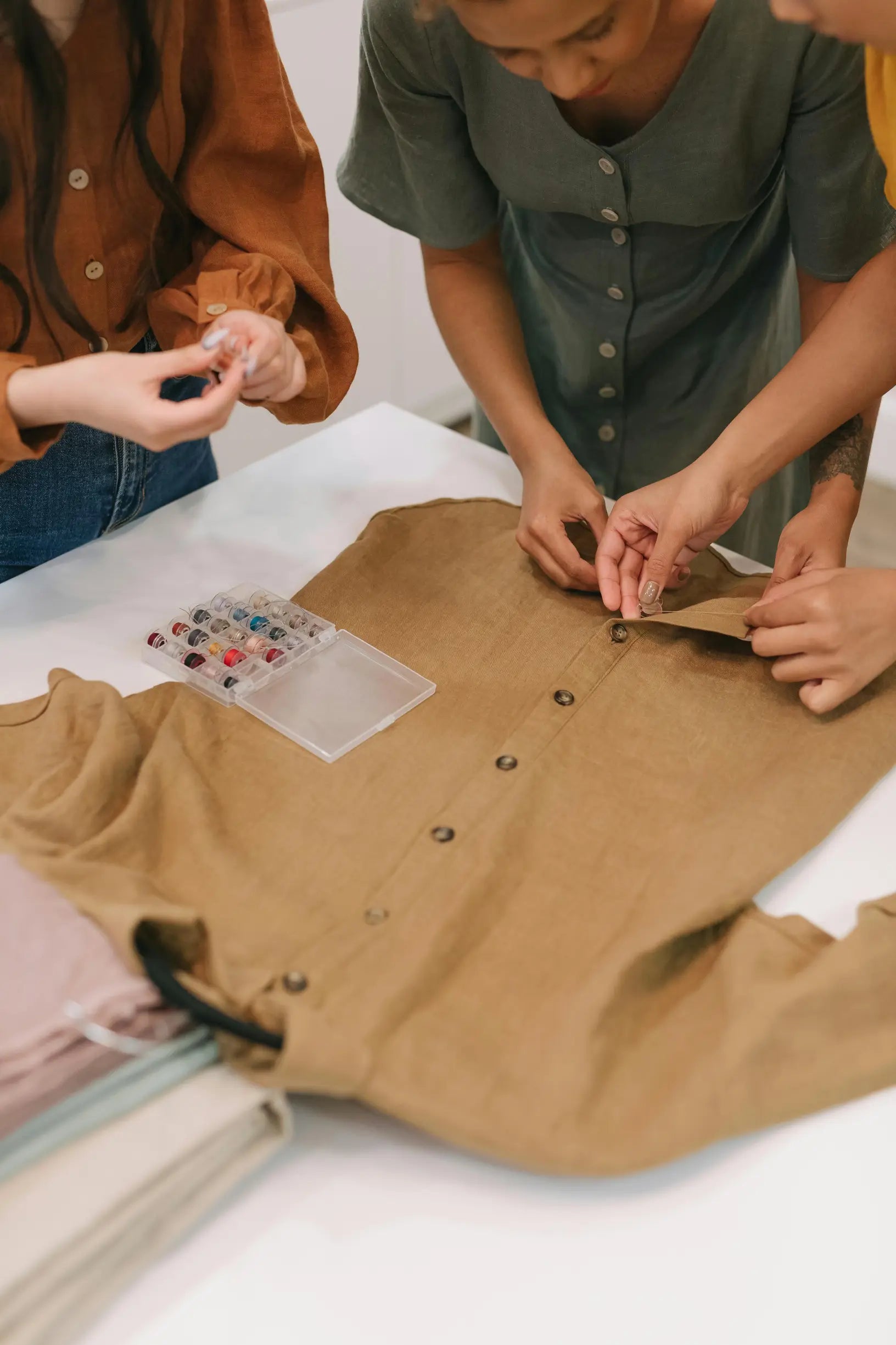
Keep your wardrobe moving with purpose. Tackle stains as they appear, turn garments inside out before washing, and always fill the machine to make each cycle count. Choose gentle detergents, opt for lower temperatures, and air dry whenever you can—these simple switches safeguard both fabric and planet. For delicates, a mesh bag keeps them in prime condition. Master basic repairs: restitch seams, replace buttons, reinforce hems, or patch up small holes. These mindful mends can add years to your favourites and keep them away from landfill. If something no longer fits or feels fresh, tailor it, recut it, dye it for a vibrant update, or transform it into something entirely new. Every thoughtful step extends a garment's life and reduces waste—style with impact, from high street to home.
Embrace the full journey of your garments by understanding their fibre content, removing any non-textile details that hinder recycling, and separating single-fibre pieces for easier mechanical processing. When natural fibres are suitable, opt for composting. Make use of local textile collection points on the high street rather than general waste bins to support better material recovery. Before deciding on a replacement, consider how many extra wears a simple repair could deliver and choose to mend where you can maximise environmental benefit. Keep a basic repair kit to hand, observe where wear happens most often, and focus on quick, effective fixes that extend the life of your favourite, hard-wearing pieces. Every thoughtful step makes a difference.
Opting for garments built to last is a powerful step towards reducing fashion’s environmental impact. Each extra wear and mindful act of care makes a real difference, cutting down emissions, water consumption, and waste sent to landfill. For instance, when you increase a piece’s lifespan from 50 wears to 200, the carbon footprint per wear can drop significantly, highlighting how every conscious choice multiplies positive impact.
Evaluating a garment’s life cycle, opting for single-material designs, and ensuring durable construction all pave the way for measurable environmental impact. Look out for fabric composition and build quality, embrace simple repairs, and choose to extend each piece’s journey through mindful care. Every extra wear is a conscious step towards meaningful change.