
Buy basics that genuinely lower your wardrobe's environmental footprint and last longer
Too many of us end up with basic pieces that wear out quickly, clutter our wardrobes, and add to clothing waste. How do you buy simple tees, jeans, and knitwear that genuinely lower your wardrobe's environmental footprint and last longer?
This guide explains how to choose basics made from traceable, sustainable fibres with fair labour practices, how to spot durable construction and clear quality cues, and how to care for, repair, and recycle garments. Read on for practical signs to look for and straightforward actions to make your basics work harder, not end up in a bin.

Choose basics made from sustainable fibres, with fair labour
Prioritise sustainable fibres and read fibre content, favouring certified options such as the Global Organic Textile Standard, the Global Recycled Standard, and Fairtrade so you can verify environmental and social claims. Choose recycled polyester or regenerated fibres to cut virgin resource extraction, select organic cotton or low-input bast fibres like linen and hemp to reduce pesticide and water pressures, and prefer single fibre garments when you want easier recycling because blended fabrics complicate end-of-life processing. Before you buy, check supply chain transparency, since published factory locations, third-party audit summaries, and clear worker welfare or living wage commitments give evidence that social safeguards have independent oversight.
Inspect construction and design details that predict longevity: seam finishes, stitch density, reinforcement at stress points, continuous yarns, and tightly woven knits all indicate greater abrasion resistance and durability. Choose classic cuts and neutral colourways to increase wearability across the high street and reduce the likelihood of early replacement. Prefer garments designed for repair and circularity, such as items with replaceable trims, accessible hems, clear care labels, detachable components, or mono material construction that make mending, recycling, or fibre reclamation more feasible. Adopt gentler care: wash less, use cold water, avoid tumble drying, capture microfibres with a dedicated wash bag or machine filter, mend small damage promptly, and store pieces correctly to slow fabric degradation and lower environmental impact.
Choose a certified mid-weight crew that lasts.

Prioritise durable construction and clear quality cues
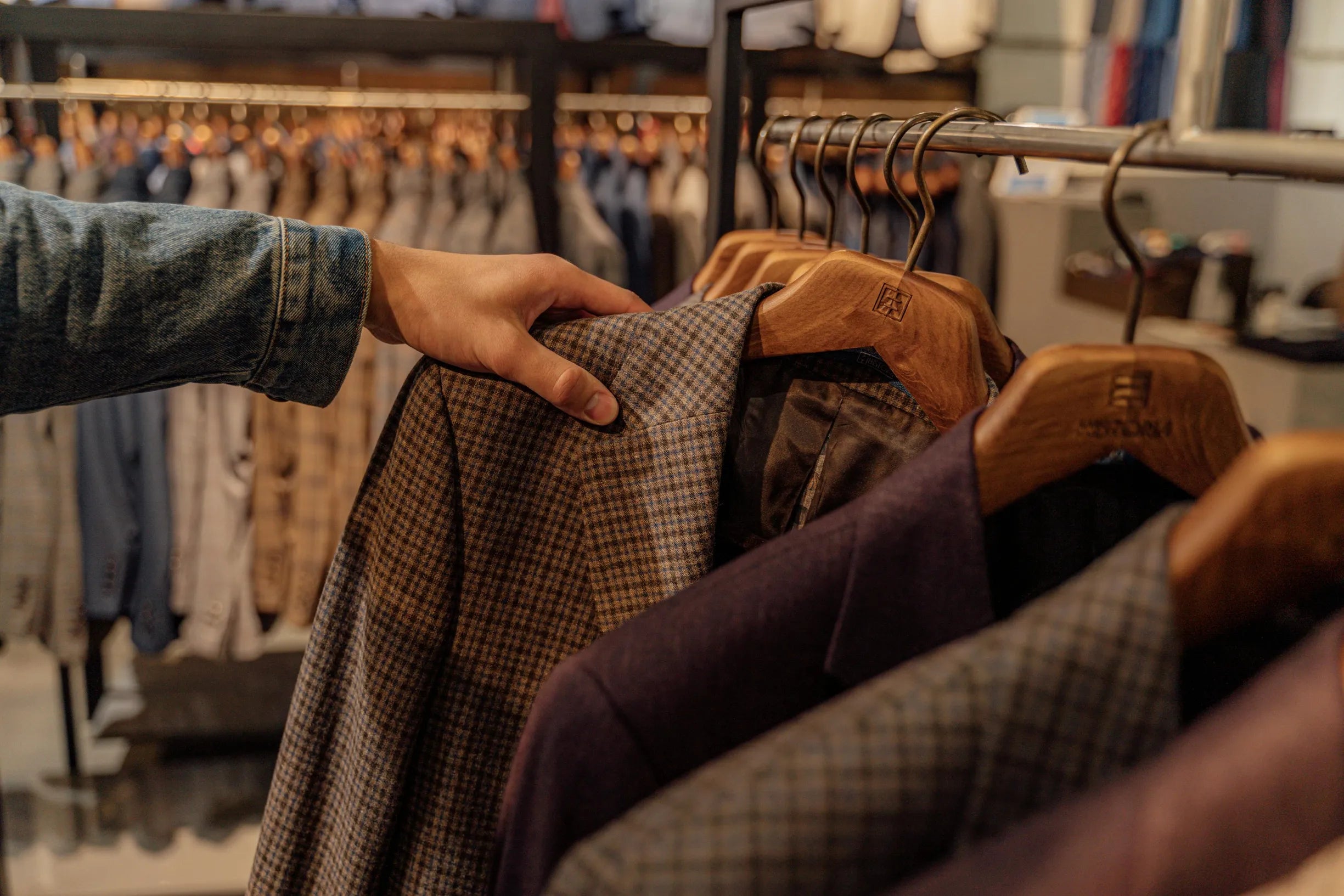
Open garments and inspect inside seams for consistent stitch length, single-needle or bound finishes, bar tacks at pockets and stress points, and the absence of loose threads, and tug gently at seams to reveal weak spots. Judge fabric structure by holding wovens to the light for weave density and even dye, and by squeezing knits to check stitch density and recovery, feeling for high-twist yarns or tightly woven faces that resist pilling and abrasion. These visible cues let you compare construction quality directly, so you can favour pieces that show reinforced joins and even finishes rather than relying on labels alone.
Match fibre choice to intended use: select wool or tightly woven cotton for abrasion resistance, linen or linen blends for strength and breathability, and minimise pure synthetic outer layers where microfibre shedding is a concern. Look for durable details that simplify future repairs, such as reinforced buttonholes, spare buttons secured to the label, taped or finished seams, and hems with multiple rows of stitching. Prefer simple silhouettes and neutral colourways to increase outfit versatility and reduce wardrobe turnover. Treat realistic care instructions and clear construction information as signals of longevity, and when buying remotely ask for close-up photos of internal finishes so you can verify those evidence-based signs before you buy.
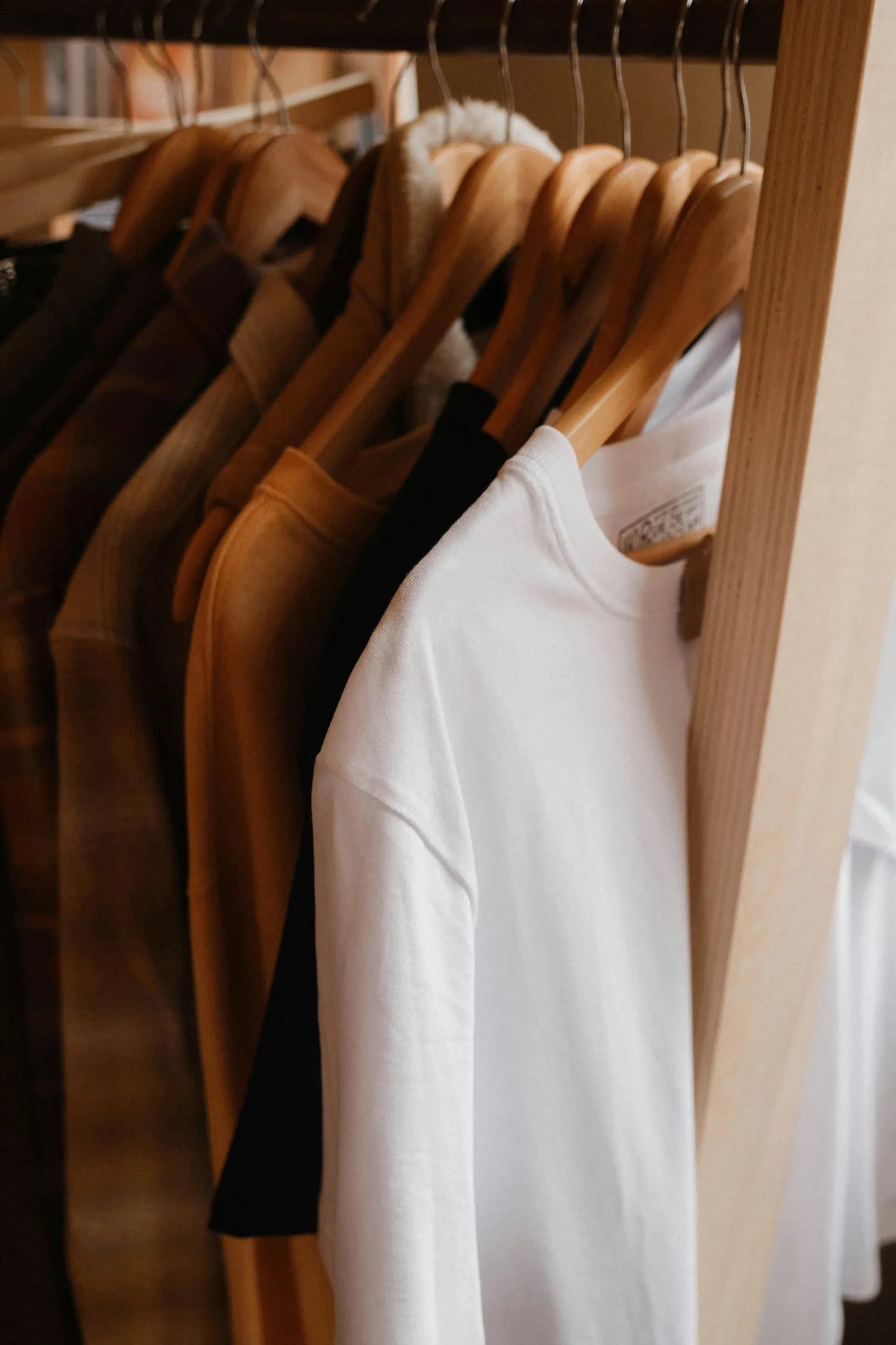
Choose a midweight cotton‑faced crew for durable everyday layering.

Care for, repair, and recycle your basics
When buying basics, inspect construction and fabric: dense weaves, reinforced seams, neat stitching, and stable trims indicate garments that withstand repeated wear and washing. Favour natural or recycled fibres that retain integrity after laundering, because visible construction details and fibre choice correlate with longer wear life and fewer replacements. Choose neutral colours, simple cuts, and pieces that layer well to reduce wardrobe churn and lower the overall environmental footprint. These criteria support a smaller, more durable capsule that needs replacing less often.
Reduce mechanical and chemical stress during cleaning by following care labels, turning garments inside out, using mesh laundry bags for delicates, and choosing gentler cycles or handwashing to preserve fit and colour. Make basic mending routine: learn a few stitches for reattaching buttons, closing seams, and darning holes, keep a small repair kit at home, and reinforce high-wear points proactively, since simple repairs extend usable life far more effectively than replacement. Plan for end of life by donating clean, wearable basics to community collection points, removing non-textile trims where possible to aid recyclers, cutting irreparable items into household rags or upcycling them, and using take-back or textile recycling options to keep fibres out of general waste.
Prioritise traceable, sustainable fibres and inspect construction details such as stitch density, reinforced stress points, and tight knits, because these tangible cues predict longer wear and simpler end-of-life processing. Combine that choice with gentler care, routine mending, and planning for recycling to cut replacement cycles and lower your wardrobe's environmental footprint.
Use the practical signs in the headings, such as fibre content, seam finishes, repair-friendly details, and storage and laundering habits, as a checklist when buying and maintaining garments. Act on them and you will keep more clothes in use, reduce waste, and make a small but measurable difference across your wardrobe.