

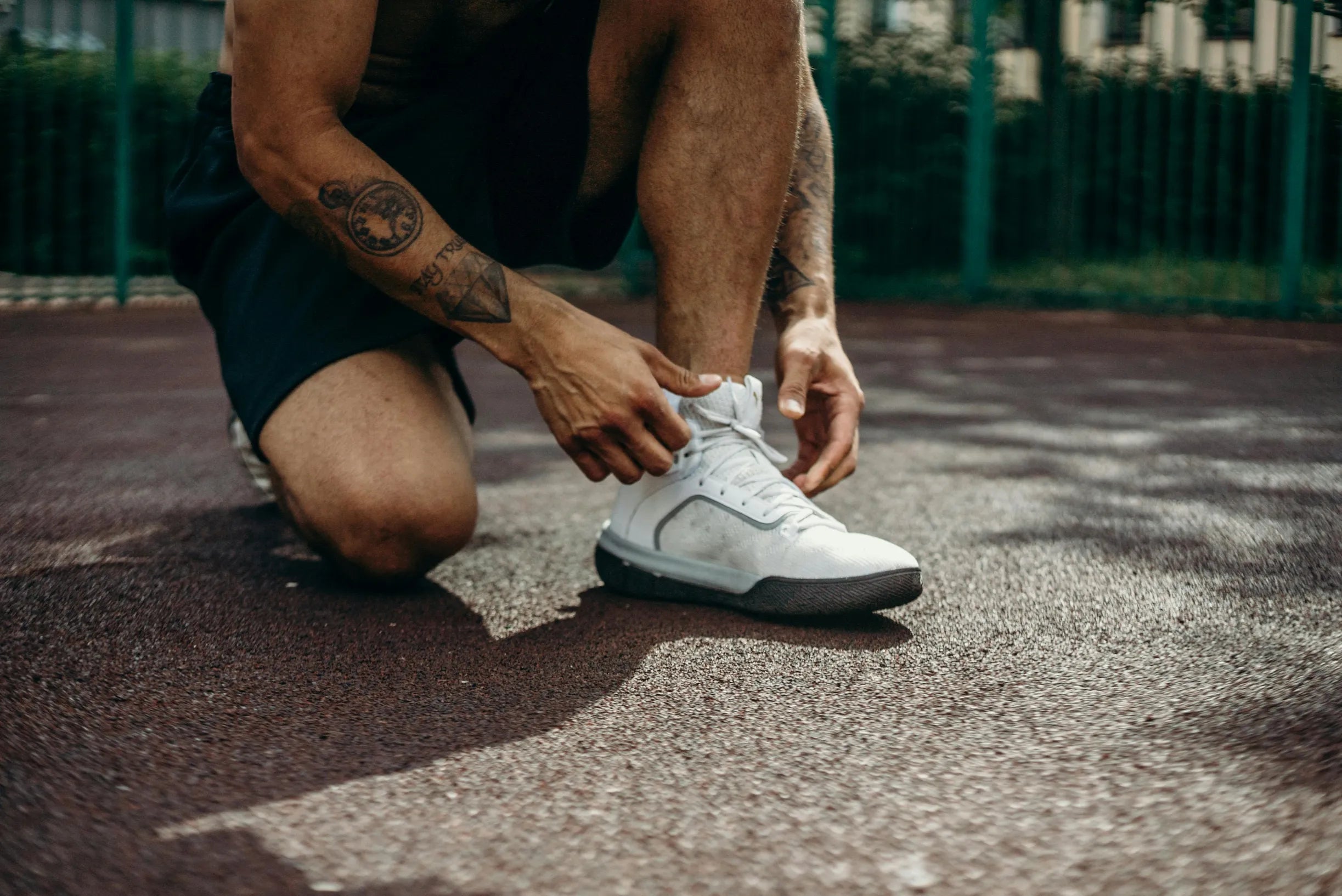
How to shield trainers from salt and slush without damaging materials
Salt and slush can wreck trainers, leaving pale stains on fabric, corroded eyelets, and brittle soles. When you want to stay active through wet, icy weather, how do you protect materials and performance without risking damage from harsh cleaning or coatings?
This guide shows how to prepare and protect common trainer materials, remove salt and slush safely by material, and dry, repair, and maintain trainers with sustainable methods. Follow straightforward, evidence-based steps to keep glue lines intact, preserve colour and fit, and reduce the risk of irreversible wear.

Prepare and protect trainer materials
Start by checking labels and inspecting the upper, lining, and sole to distinguish leather, suede, knit, mesh, and smooth synthetics, then perform a patch test in an inconspicuous area to check colourfastness and texture. Before applying any protection, brush away loose grit, blot salt deposits with a cloth dampened in warm water, then neutralise residual salt with a 1:1 water and white vinegar solution. Rinse gently and air dry away from direct heat to prevent fibre damage and salt recrystallisation.
Condition smooth leather with a suitable conditioner to restore oils and flexibility, treat knitted or mesh uppers with a flexible fabric sealant to preserve breathability, and clean smooth synthetics with mild soap to remove salt residues that accelerate breakdown. Focus waterproofing on high-stress joins and sole edges, treat or replace laces with waxed or treated alternatives to shed moisture, and address seams and stitching to limit water ingress. Remove insoles after wet wear or apply a moisture-wicking treatment to reduce odour and material fatigue, and inspect scuffs and worn coatings regularly to spot repairs early. Reapply waterproofing after deep cleaning or heavy exposure, and store trainers with moisture absorbers in a well ventilated place to keep materials dry and prolong their life.
Stay warm while trainers dry.

Remove salt and slush safely by material
Salt is hygroscopic, leaving a white crystalline residue that draws in moisture, stiffens leather, and accelerates fibre breakdown, while grit abrades uppers and soles and embeds in seams; together these effects make prompt surface removal and targeted cleaning essential. Removing salt quickly limits penetration and reduces the need for aggressive treatments, and surface blotting or brushing prevents crystals migrating deeper into fibres. Choosing cleaners that dissolve salt without stripping finishes preserves material integrity and shortens recovery time.
Follow material-specific sequences: for leather, brush off dry salt, wipe with a damp cloth and a mild, pH-neutral cleaner, then apply a leather conditioner; for suede, allow salt to dry, brush with a suede brush and use a suede eraser for stubborn marks, avoiding soaking; for knit and mesh, loosen grit with a soft brush, hand-wash gently with mild detergent, rinse thoroughly, and reshape while damp; for rubber soles, scrub with a firm brush and a diluted white vinegar or soap solution to dissolve salt. Test any product on an inconspicuous area before proceeding, and favour blotting over vigorous rubbing to avoid embedding grit. Remove insoles where possible, stuff trainers with absorbent paper to wick moisture and retain shape, and air-dry in a ventilated spot away from direct heat, because rapid heat can crack leather, weaken adhesives, and distort textiles. Apply an appropriate protector after cleaning, reapply regularly, keep soles and seams clear of build-up, rotate pairs to allow complete drying, and store trainers in breathable bags so small, consistent interventions reduce the need for heavy restoration.
Dissolve salt gently with an all-in-one cleaning kit

Dry, repair, and maintain trainers sustainably
Salt crystals draw moisture and abrade fibres, so remove salt promptly by blotting excess with a damp cloth, cleaning leather with a pH-neutral soap solution, lifting salt from suede with a soft brush and rubber eraser, and brushing mesh gently to avoid embedding crystals into the weave. Apply a breathable barrier matched to the material, and always test on a hidden seam before treating the whole shoe. Choose waxes or waterproofing treatments formulated for leather, suede, or textiles, because breathable treatments repel liquid but allow vapour to escape. Allowing vapour to escape helps prevent trapped moisture that weakens glue and causes odour.
Dry and reshape trainers gently to avoid structural damage: stuff them with absorbent paper or use wooden shoe trees to wick moisture and preserve shape, air-dry in a well-ventilated spot away from radiators or direct heat, and replace damp paper until fully dry to prevent glue failure and leather cracking. Repair with longevity in mind by stitching separates, replacing insoles and laces, fixing lifted soles with flexible adhesive, and consulting a local cobbler or high street repairer for resoling to keep uppers in use and reduce waste. Adopt a simple winter-care routine by brushing off salt after outings, rotating pairs to allow full drying, storing trainers in breathable bags or boxes with natural moisture absorbers to control humidity and odour, and reapplying protective treatment after heavy exposure.
Protecting trainers from salt and slush centres on prompt, material-specific care that removes corrosive salts, preserves finishes, and maintains glue lines and breathability. Follow simple actions: brush or blot loose grit, neutralise residual salt with a mild solution, reapply a breathable protector, and dry trainers gently to prevent cracking and adhesive failure.
The guide's headings of prepare and protect, remove salt safely, and dry, repair, and maintain provide a clear routine that limits damage, preserves fit, colour, and performance, and extends usable life. Adopt these targeted, regular interventions to cut the need for heavy restoration, keep trainers performing in wet conditions, and reduce waste.