

How to Compare Plant-based Leathers for Everyday Trainers and Long Walks
Plant-based leathers promise sustainability and style, yet their comfort and durability for trainers and other everyday footwear can differ markedly. Variations in plant source, production methods and performance claims often leave shoppers unsure which material will breathe, flex and stand up to the elements.
This post compares plant-based sources and production methods, assesses breathability, resilience and weatherproofing, and explains how independent testing and recognised certifications reveal real-world performance. It offers practical guidance on choosing plant leather for trainers, sneakers and high tops for everyday wear and longer walks, plus straightforward advice on care, repairability and end-of-life impact to help you make evidence-based choices that reflect your values.

How to compare plant-based materials and production methods for sustainable fashion
Start by identifying the botanical feedstock and its native chemistry and structure — for example fruit waste, cactus, cork or mycelium. Note fibre orientation, cellulose and lignin content, and surface texture, as these influence durability and feel. Distinguish production routes such as mechanical conversion, fermentation or hot-press composites, and record the finishing approach, including water-based coatings, solvent-based polymers or laminations, because these factors determine surface durability and breathability. Request technical datasheets that report tensile strength, elongation at break and Martindale abrasion cycles, and ask suppliers for coating composition, coating thickness and VOC testing to help predict wear during high street use, in trainers or on long walks. Prefer materials where coating permanence is documented and where batch variability, feedstock provenance and life-cycle assessment summaries are available to judge consistency and environmental trade-offs.
Be rigorous when evaluating plant leather for trainers and sneakers. Start with lab measures for moisture management and flex performance: hydrostatic head for water resistance, moisture vapour transmission rate for breathability, and flex-fatigue testing for durability under repeated movement. Then do tactile checks by folding, creasing and lightly spraying samples to compare lab data with real-world behaviour. Request material safety data sheets and complete lists of plasticisers and heavy metals, plus independent testing for biodegradability or recyclability. Verify regulatory compliance and ensure any end-of-life claims align with local industrial composting or recycling routes. Finally, ask for raw-material traceability and batch variability reports so you can predict long-term performance and choose a plant leather that matches your priorities for comfort, durability and responsible disposal.
Try certified, traceable fabric for consistent, everyday performance.

How to assess breathability, resilience and weatherproofing in trainers
When assessing trainers or sneakers, focus on breathability and resilience. For breathability, inspect linings and the surface structure. Look for natural fibre linings, open weaves or visible micro-perforations that encourage air flow. Compare any quoted water vapour transmission figures, and handle the lining and upper to judge how quickly heat disperses and moisture moves, forming a practical sense of vapour transport. For resilience, carry out simple mechanical checks: bend and crease a concealed patch repeatedly and rub high-contact areas to see how the material recovers and how the surface wears. Where possible, support your hands-on findings with objective tests such as Martindale abrasion cycles and tensile strength measurements.
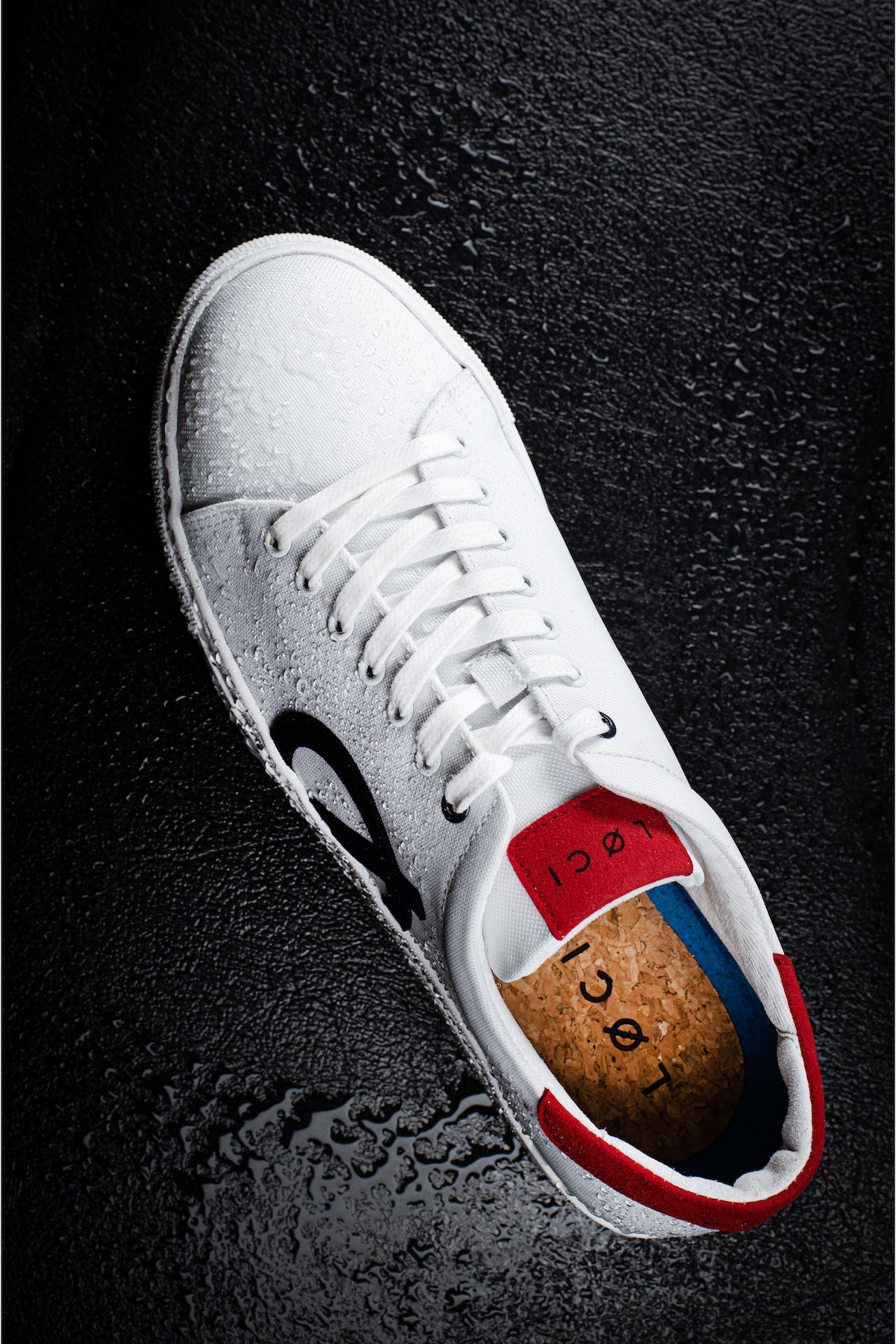
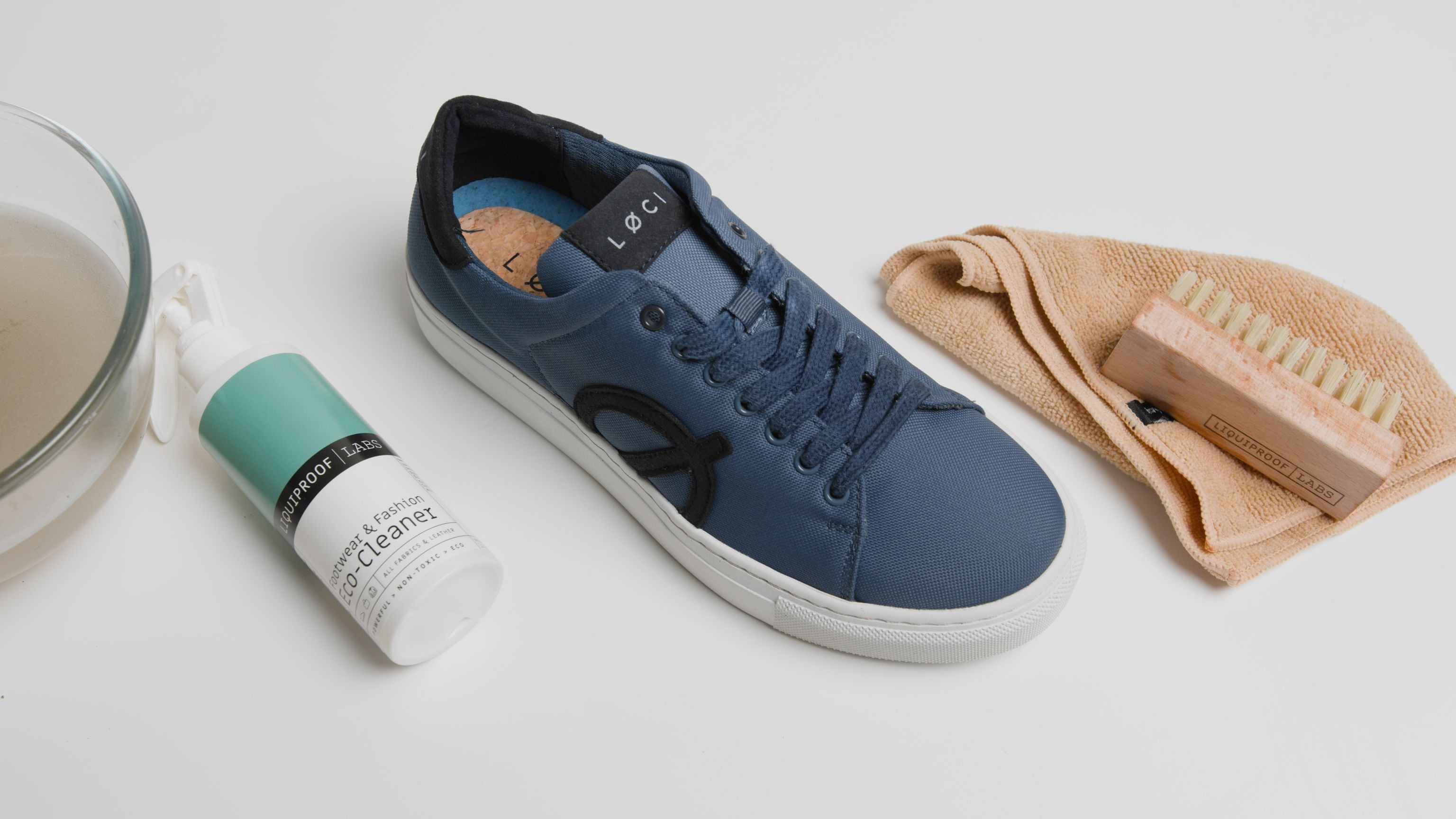
Test weatherproofing practically: drop a few water droplets onto the surface. If they bead and run off, the finish is repellent; if they soak in, protection is limited. Also inspect seam sealing, backing films and edge finishing to judge likely performance in wet conditions. Balance the trade-offs: thicker coatings and continuous laminates boost water resistance and longevity but tend to reduce breathability and flexibility. Perforated or fabric-backed constructions improve moisture management and comfort for longer walks. Keep them in top condition by removing grit and salt with a damp cloth and a little mild soap, and avoid heat when drying. Patch-test any repellent or conditioner on a concealed area first, and monitor stitch lines and glued joints so you can intervene early and extend usable life.
Wear relaxed joggers for comfortable, dry post-walk recovery.

Verify material performance through independent testing and certifications
Request independent laboratory reports that cite recognised test methods and provide numeric results for abrasion resistance, tensile strength (Newtons), flex fatigue, water resistance and breathability. Where possible include abrasion cycle counts and moisture vapour transmission rate (MVTR in g/m2/24h). Verify chemical and safety credentials by asking for certificate numbers and the scope of textile and chemical regulatory compliance, and look for explicit test data showing limits or the absence of PFAS and VOC emissions. Prefer third-party reports that state the test protocol and pass criteria, and seek real-world simulation data such as peel and seam adhesion, dynamic flex cycles and sole-bonding tests so you can assess delamination risk during extended walking.
Before you commit to a material for trainers, run these practical checks to assess durability and environmental impact. - Fold likely crease points repeatedly and inspect under bright light for microcracks. - Place a water droplet on the surface and note how quickly it is absorbed to gauge surface repellency. - Rub a damp white cloth over the sample to check for any colour transfer. - Request a concise life-cycle assessment summary or declared biobased content from the supplier. - Ask for tests that quantify microfibre or microplastic release during wear and cleaning. - Confirm whether the material is separable and recyclable, and request documentation that supports repair, reuse or recycling claims. Use this evidence to balance expected longevity against end-of-life impact, choosing materials that minimise harm while standing up to everyday use.
Checklist for lab tests, quick sample checks, and certification evidence
- Require independent laboratory reports that state the recognised test method (ISO, EN, ASTM or equivalent), sample conditioning, pass criteria, and numeric results with units; include abrasion resistance (cycles to failure), tensile strength in Newtons, MVTR in g/m2/24h, hydrostatic head in mm of water, and flex fatigue cycles and failure mode, and compare reported values to intended end use or typical commercial ranges.
- Ask for real‑world simulation data that reveal delamination risk and durability: peel and seam adhesion reported in N/cm with failure mode, dynamic flex or fatigue cycles to failure, sole bonding and cyclic walking simulations, and post‑flex water resistance so you can judge performance after repeated use.
- Perform quick hands‑on checks on samples before purchase: repeatedly fold likely crease zones and inspect under bright light or magnification for microcracks; apply a water droplet and time absorption to gauge surface repellency (droplet should bead or remain unabsorbed for a clear interval), rub a damp white cloth to check for colour transfer, and flex seams to look for early separation.
- Verify chemical, sustainability, and end‑of‑life claims with documents: request certificate numbers and scope for textile safety and chemical compliance (for example relevant registrations or standards), ask for explicit PFAS and VOC test reports that state the analytical method and detection limits and give numeric results or non‑detect statements, obtain a concise life‑cycle assessment summary or declared biobased content, seek microfibre release test data, and demand documentation showing separability, repair options, and recyclability or disposal routes.

Choose plant-based leather trainers for everyday wear and long walks
Carry out simple, repeatable tests. Flex each sample repeatedly and note any cracking or delamination. Rub with a clean cloth to simulate abrasion and record any coating transfer. Place a few droplets of water to see whether the liquid beads on the surface or soaks in. Record the results so you can compare materials objectively, and ask suppliers for measurable specifications such as abrasion resistance, tensile strength, elongation, water contact angle and breathability wherever possible. These measurements let you rank materials by how they resist wear, stretch and moisture rather than relying on appearance alone.
Match materials to activity. For extended walks, favour breathable, flexible plant leathers with strong moisture vapour transmission to reduce hotspots and blisters. For everyday use where uppers meet pavements and straps take frequent wear, choose tougher, abrasion-resistant variants. Inspect construction as carefully as you check materials. Look at seam stitching, backing adhesion, edge finishing and how the upper bonds to the sole, since poor workmanship is often the real cause of failure. Plan for care and ageing. Test a hidden area or swatch with any cleaner or conditioner you plan to use, and see how the surface reacts to sunlight and repeated rubbing. Note whether the material develops a pleasing patina or shows irreversible wear, so you can judge suitability for high street routines or long-distance walks in your trainers or sneakers.
Opt for mid-weight joggers built for everyday, durable comfort.

How to assess care, repairability and end-of-life impact
Start by testing a hidden area for colourfastness. Clean with a soft cloth and a pH-neutral soap or a specialist cleaner formulated for coated surfaces. Avoid solvents and heat, and leave to dry in the shade before reapplying any compatible water-repellent or conditioner. Inspect seams, stitch lines and edge finishes for visible backing or layered construction. Press gently at a stitched seam to see whether fibres appear, and rub a concealed edge to check if the material frays, peels or remains cohesive. Materials that hold stitches or accept common adhesives are easier to repair, so favour tight, bonded coatings and a dense backing when assessing durability. Where possible consult abrasion or rub-test data. Choosing repairable materials helps reduce waste and extend the life of your items.
Prioritise end-of-life pathways by favouring items made from a single substrate or from clearly separable components. For trainers and sneakers in particular, check whether metal fittings and foam soles can be removed for recycling or reuse. Ask for laboratory evidence on biodegradability and microfibre release, and note whether binders are bio-based or petrochemical to understand likely environmental breakdown. Balance breathability and odour control against any increase in laundering, since more frequent washing can accelerate microfibre shedding during a product's life. Finally, look for take-back schemes or industrial compostability where appropriate.
Plant-based leathers are not all the same. Sources, construction and finish vary, so do not rely on appearance alone. Test breathability, abrasion resistance and water resistance, and request datasheets, independent test reports and life-cycle assessments to match material performance to everyday wear or long walks. Check construction and repairability to judge likely real-world durability.
Use straightforward sample checks, such as flexing, water beading and rub tests, and compare objective measures like MVTR and Martindale cycles to make an evidence-based choice. This approach helps you favour materials that balance comfort, longevity and clear end-of-life pathways, supporting more informed, sustainable choices for everyday trainers and longer walks.