

Vegan trainers for the gym: when your everyday pair works, and when it does not
An everyday vegan trainer can be perfectly reasonable for a gym visit, but “vegan” describes the material choice, not the workout it can handle. The useful question is whether your specific pair gives you enough firmness, grip, room and lockdown for the session in front of you.
A trainer that feels comfortable for the commute may suit walking, machines, bodyweight work, light dumbbells or a low-impact class. It may feel less secure for heavy squats, deadlifts, split squats, Olympic lifts or fast lateral work, where wobbling, sliding or excessive compression can change how you move.
Use this guide as a decision spectrum rather than a verdict on every shoe. Identify the workout, inspect the construction, test the fit at an appropriate intensity and change footwear when the session demands more stability or specialised support.

Start with the session, not the label
An everyday lifestyle trainer is built around daily wear and general comfort. A running shoe is usually tuned for repeated forward motion and impact comfort. A cross-training shoe aims to balance lifting, jumping and side-to-side movement. A dedicated lifting shoe is more specialised, often prioritising a firm platform and a secure, predictable base for strength work. None of those categories is automatically vegan or automatically right for you.
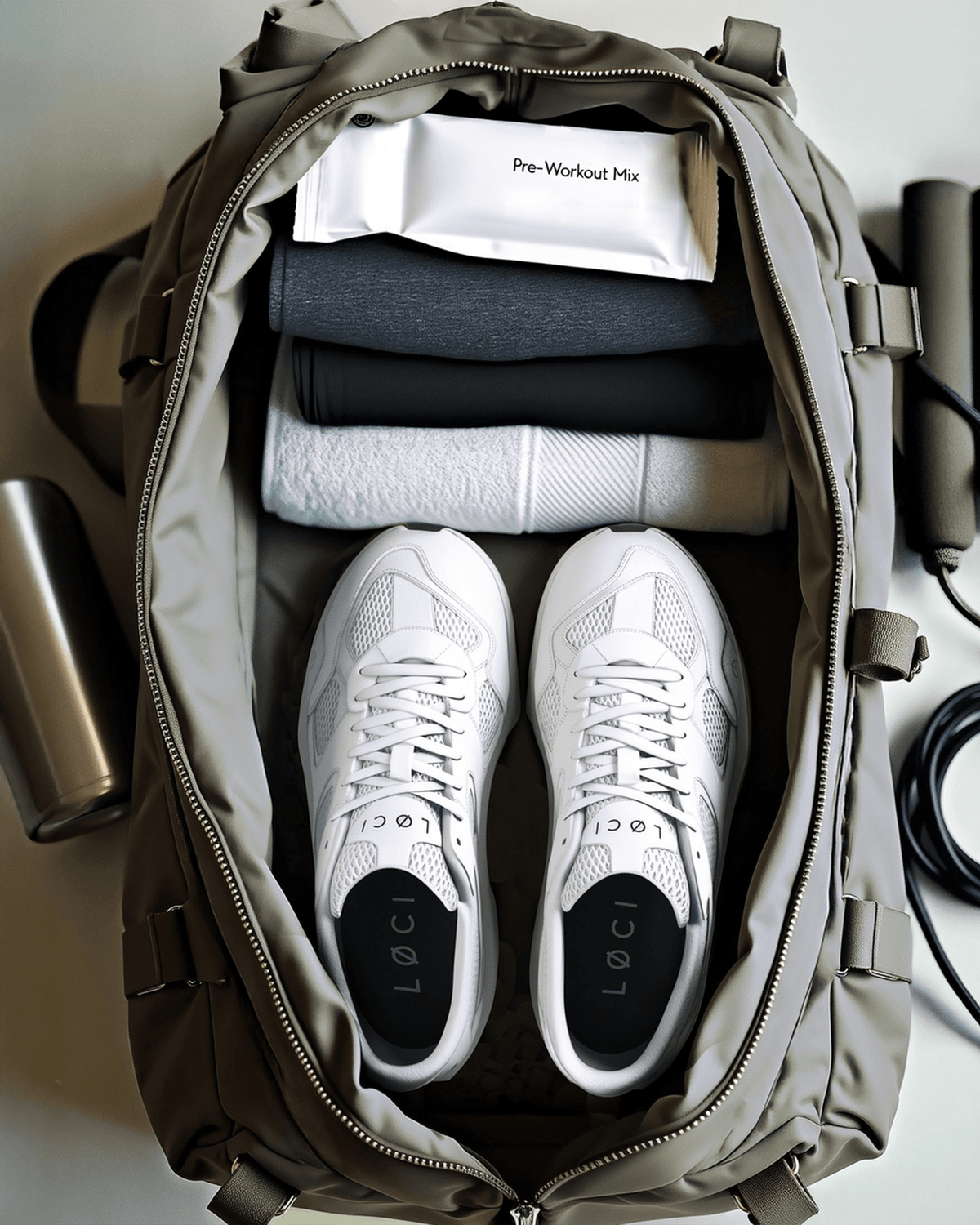
For walking, resistance machines, bodyweight exercises, light dumbbells, gentle circuits or a low-impact class, an everyday trainer may be a sensible one-pair compromise if it fits securely and its sole does not feel soft or unstable. A city-to-gym option such as LØCI ØRIGIN can be considered for lifestyle versatility because its product page describes it as a vegan, classic tennis-inspired silhouette designed for everyday wear. That description does not make it a running, cross-training or lifting shoe.
For treadmill running or impact-focused cardio, a running shoe may be the more logical choice if its fit, cushioning and gait feel suit you. For circuits, plyometrics, studio classes or exercises that move laterally, look towards a cross-training design with appropriate grip and lateral containment. For heavier or more technical squats, deadlifts, split squats and Olympic lifts, a firmer training shoe or dedicated lifting shoe may be worth considering, particularly if your everyday pair compresses, wobbles or lets your foot slide.
These practical distinctions are consistent with the article’s broader caution that footwear should be judged by the movement and the individual pair. A small 2026 pilot study found that footwear altered postural sway and force distribution during squat-based exercises, with especially notable effects during split squats. Treat that as preliminary evidence from a small sample, not proof that all running shoes are unsafe or that flat, barefoot or raised-heel footwear is universally superior. Your load, technique, surface, mobility, experience and response still matter.


Inspect the shoe before you load it
Think in terms of contact with the floor and control of the foot. Use this inspection checklist before the session:
• Sole firmness: press the midsole. If it collapses readily under your thumb or feels springy and unstable under load, it may be better for walking or cardio than heavy standing lifts. • Platform and compression: a reasonably broad, predictable base can feel more secure than a narrow or heavily rockered one. Look for uneven wear or permanent creasing that changes how you stand. • Heel-to-toe drop and flexibility: these affect how you feel in a squat, lunge or deadlift, but there is no universally correct number. Choose what lets you keep a controlled foot position without forcing a technique you have not practised. • Heel stability and upper lockdown: your heel should stay put, while the upper should hold the foot without pinching. Excess movement can make split squats, lunges and lateral drills feel less predictable. • Toe-box room: allow natural toe movement without letting the foot slide forwards. Numbness, rubbing or cramped toes is a reason to stop and reassess. • Tread and condition: the outsole should grip the clean, dry indoor surface. Outdoor grit, wet soles and worn tread can make a suitable-looking trainer a poor gym choice.
Then match the shoe to the movement. For squats and deadlifts, prioritise a stable base, firm underfoot feel and secure fit. For split squats and lunges, pay close attention to wobble and heel lift because the single-leg demand can expose problems sooner. For Olympic lifts or heavier technical work, a dedicated lifting shoe may be sensible if you need a more consistent platform and know how to use its geometry. For plyometrics, circuits and lateral classes, seek dependable traction, lateral containment and enough flexibility. For treadmill running, choose the running shoe that feels appropriate for repeated forward impact; for cycling or rowing, a secure fit and compatible pedal or foot-strap interaction may matter more than cushioning.
Finally, test an everyday pair before loading it fully. Begin with bodyweight squats, hinges, lunges and a few controlled side steps on the actual gym surface. Progress to a light, familiar load before increasing intensity. Stop if your heel lifts, foot slides, the sole folds, you wobble, the shoe slips, or your technique changes to compensate. Pain, persistent rubbing or numbness is not a challenge to push through; seek individual advice from a qualified coach or clinician when needed.


Care, hygiene and FAQs
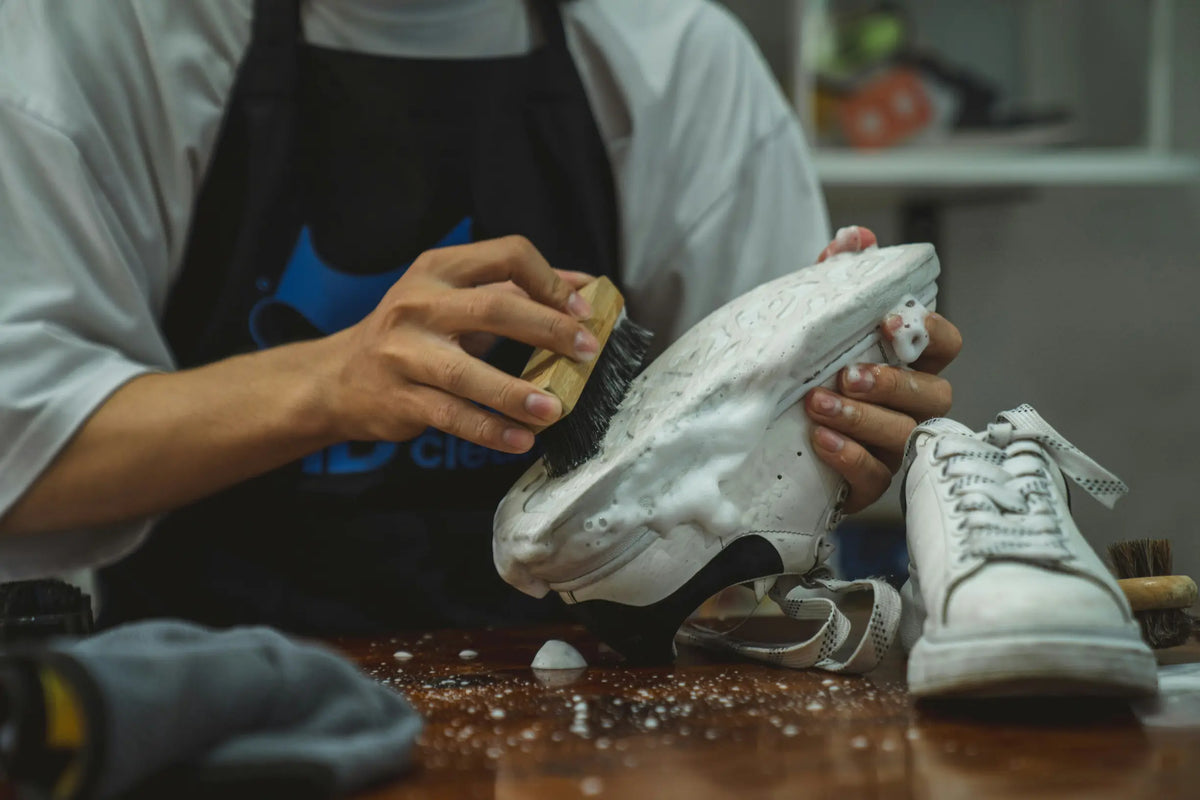
A gym pair should arrive clean and dry. Check the gym’s indoor-footwear policy, brush off outdoor grit and avoid taking wet soles onto training surfaces. If you train hard in one pair, allow it to air fully before wearing it again; rotating pairs can make that easier. LØCI’s trainer odour guide recommends airing insoles, drying trainers fully and testing any cleaning method first. Its guidance also notes that bicarbonate of soda, dry tea or diluted white vinegar may suit some linings, but material compatibility matters. Do not assume every vegan upper, lining or adhesive can be machine-washed or treated alike.
For salt, slush or wet commutes, follow material-specific care rather than reaching for a strong cleaner. LØCI’s salt and slush guide recommends removing residue promptly, testing products on a hidden area, using absorbent paper and air-drying away from direct heat. The same principle applies after a sweaty session: remove insoles where possible, ventilate the pair and store it somewhere breathable once fully dry.
Can one everyday vegan trainer cover everything? Sometimes, if your week is mostly walking, machines, bodyweight work, light weights and general movement. A pair such as LØCI FLØ may appeal as a lightweight lifestyle option, but its presence here should be read as a style and everyday-wear example, not as evidence that it is designed or tested for running, cross-training or heavy lifting.
FAQ: What should I do if my trainers are damp before a gym session? Do not take wet soles onto the training floor. Dry the pair fully away from direct heat, or use a clean, dry alternative if the session cannot wait.
FAQ: How can I tell whether a pair has had enough wear? Look for worn tread, permanent creasing, uneven compression or a fit that has become loose or unstable. Those changes can be reasons to retire the pair from demanding sessions, even if it still looks presentable.
FAQ: When should I ask for individual advice? Speak to a qualified coach or clinician if you have persistent pain, balance problems, repeated technique changes or a foot, ankle, knee or other condition that makes general guidance inadequate.
Match the shoe to the session and to the specific pair. An everyday vegan trainer may be enough for general movement and lighter work, while running, cross-training or lifting footwear can make more sense when the workout demands different cushioning, traction or stability.
Before committing to a session, check the fit, grip, compression, heel hold and condition. Start at a manageable intensity, keep the pair clean and dry, and change footwear when the demands change. Vegan construction can align with your values, but suitability comes from how that shoe behaves under that movement.