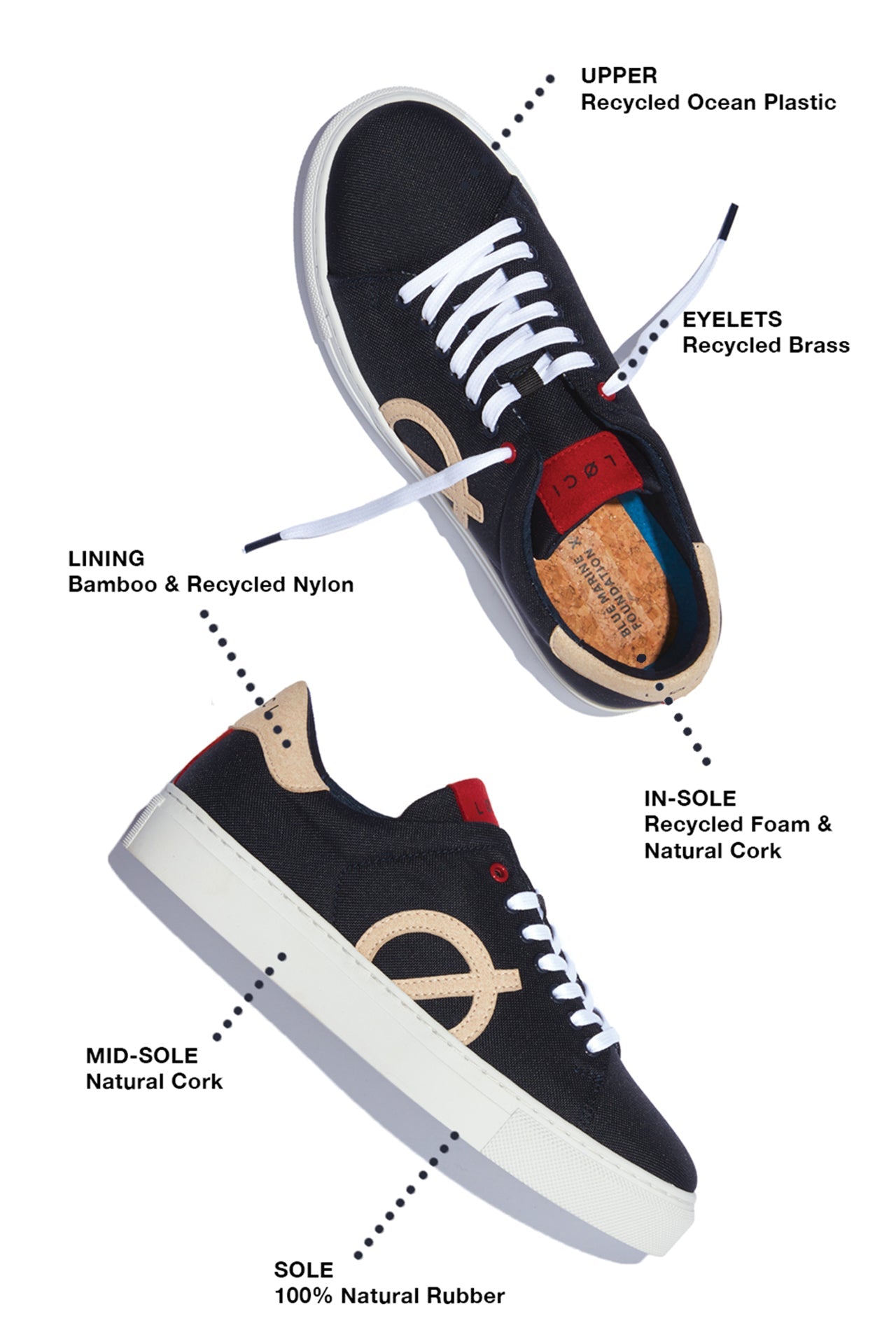


5 Ways Made-to-order Sneakers Cut Material Waste Compared with Mass-produced Shoes
Mass-produced footwear often generates surplus stock and offcuts that never reach consumers, creating substantial material waste. Making trainers to order aligns production with demand, reduces offcuts and keeps materials circulating.
This article outlines five practical ways made-to-order models reduce material waste, from preventing overproduction and optimising cutting and construction to localising supply chains and designing for repair, longevity and circular reuse. Understanding these methods helps designers, manufacturers and shoppers in fashion and footwear identify where impact can be reduced without compromising fit, performance or style.

1. Shift from mass production to made-to-order manufacturing for sustainable fashion
Forecast-driven mass production often relies on bulk cutting and large SKU runs, which creates unsold stock that flows into discount channels or landfill when demand is missed. Aligning production to confirmed orders cuts surplus and scrap. Single-piece digital cutting, nesting algorithms and CNC cutters used per order improve fabric and leather utilisation compared with graded-stack cutting and make it easier to spot where offcuts occur. Measuring cut waste, adopting nesting software and feeding returns and fit data back into pattern adjustments steadily raise yield, reducing waste and supporting more responsible fashion production.
Mass production forces higher safety stock and raises return rates when fit or preference do not match. Made-to-order reduces safety stock and returns by enabling clearer size guidance and a closer, more customised fit. Design-for-manufacture approaches, such as modularising uppers, soles and trim and building a parts library with standardised attachment interfaces, cut the number of unique SKUs and allow small shared-component batches that minimise offcuts. Localising or regionalising production shortens lead times, lets cutters use remnant materials, and triggers short runs based on confirmed orders, turning potential waste into useful inputs. Collecting fit profiles, publishing detailed size guidance and routing returns data into pattern and component standards closes the loop between orders and cutting, so fewer materials are wasted across the supply chain.
Choose a sustainably made layer to reduce material waste

2. Reduce overproduction to eliminate excess stock and waste
Made-to-order systems tie production directly to confirmed demand by starting manufacture only after a customer places an order, eliminating speculative runs that generate surplus stock. An order-triggered workflow, where an online order initiates automated pattern cutting and allocates a production slot, prevents unsold units from accumulating in warehouses or being pulped. Brands can capture accurate demand signals through pre-order windows, online configurators and waiting lists to record sizes, materials and colour choices, then use those signals to time material purchases and set production batches rather than rely on blunt forecasting. The outcome is less waste, smarter use of resources and a closer match between what is made and what people actually want.
Designing trainers around interchangeable soles, linings and eyelets allows a small pool of components to serve many styles. An organised collection of offcuts and returned parts enables reuse or upcycling into new orders. Offering tailored fit options, clear size guidance and simple measuring tools reduces return rates, and integrating customer fit data into the made-to-order build further aligns production with individual needs. Negotiating smaller minimum orders, modular shipments and just-in-time production with closer, agile factories ties material purchasing to queued orders and avoids surplus raw stock being tied up in storage.
Choose a low‑waste staple knitted from recycled fibres.

3. Optimise cutting and construction to minimise material waste
CAD nesting and automated marker optimisation position pattern pieces to maximise yield across a given material width. In a made-to-order workflow this can run from 3D foot scans through graded patterns, nesting and a final marker so cutters use only what each order requires. Cutting on demand shifts layout strategy for irregular materials: teams map defects, contour panels, place high-value components in the best areas, and use contour cutting to turn irregular scraps into usable pieces rather than producing large, uniform offcuts. Compared with blanket, repeated markers in mass production, these targeted nesting and cutting practices increase material yield and allow makers to match each marker to an order's size mix and material availability.
Design and construction tactics can markedly reduce unique waste by standardising shared panel shapes across sizes, creating modular uppers that reuse identical pieces and orientating grain direction to allow rotation and nesting. A simple offcut capture loop reclaims trims for linings, straps, reinforcement patches or sample swatches, while clear sorting and labelling keep small pieces traceable and quickly accessible for secondary use. Process controls make reductions tangible: implement cutting audits, track material yield per order and log recurring loss points so teams can prioritise pattern changes. Taken together, these measures quantify material savings, expose recurring causes of waste and enable continuous refinement of cutting and construction to secure lasting reductions compared with mass-produced approaches.
Choose certified recycled-fabric layers that reduce material waste.

4. Localise supply chains to significantly cut transport emissions
Audit supply chain mileage and map routes to reveal which transport legs generate the most carbon and the highest scrap risk. Move fabric cutting and sole moulding to regional suppliers to bring long-distance stages closer to demand. Establish distributed manufacturing or microfactories near customer clusters to enable small on-demand runs, shorten lead times and improve forecast accuracy. Together, these changes reduce the volume of unsold or returned stock that would otherwise become waste and curb emissions from multi-stage shipping.
Shipping trainer components flat, consolidating legs and using standardised reusable containers reduces handling steps, cuts product damage and limits the need for protective packaging. Fewer handling steps also make it easier to retrieve scrap for recycling, because parts arrive in a condition and format that regional hubs can reprocess. Creating local repair, refurbishment and take-back networks shortens reverse logistics routes and keeps soles, panels and fabrics in use rather than sending them to landfill. Closing the feedback loop between customers, designers and local production, and tracking regional KPIs such as transport emissions per pair, material yield and returns rate, enables teams to iterate designs and adjust assortments to curb overproduction at source.
Choose certified recycled‑fibre basics to reduce waste.

5. Design with repairability, durability and circular reuse in mind
Made-to-order trainers cut waste by being designed for disassembly. They minimise permanent adhesives, favour mechanical fastenings and mono-material panels, and include clear material labelling and straightforward disassembly guides so components can be separated into clean streams for recycling or reuse. Engineering soles, insoles and uppers as modular, removable components with standardised connectors means wearers or repairers can replace worn parts instead of discarding whole trainers. Designers can offer spare-part fitments and simple swap instructions to support on-the-spot repairs. Reversible or low-impact adhesives, separable material pairings and take-back or remanufacturing pathways further ensure returned trainers can be refurbished or recycled into new material streams.
Opt for abrasion-resistant fabrics in high-wear zones, accessible stitch lines and reinforced seams so trainers and high tops are easier to mend and accept patches. Avoid permanently bonded laminates to preserve resoling and remanufacturing options. Publish illustrated repair manuals and part codes, produce short how-to videos and supply basic repair kits to equip owners to carry out simple fixes. Build partnerships with local repair services on the high street to expand repair capacity and shift behaviour from replacement towards maintenance. Together, these measures extend product life and channel higher-quality materials back into circular systems.
Made-to-order production ties manufacturing to confirmed demand, cutting material waste and avoiding surplus stock. It does this by optimising cutting and construction, localising supply chains and designing items for repair and reuse. Techniques such as CAD nesting, modular components, reclaiming offcuts and engineering repairable, disassemblable trainers and sneakers reduce excess inventory, lower transport impacts and extend product life.
Order-driven workflows, demand-capturing tools, precision cutting, regional logistics and modular design turn potential waste into usable inputs, increase material yield and extend product life. Designers, manufacturers and shoppers can use clear size guidance, standardised component libraries, local repair networks and take-back loops to keep materials circulating, reduce returns and make environmental gains measurable.