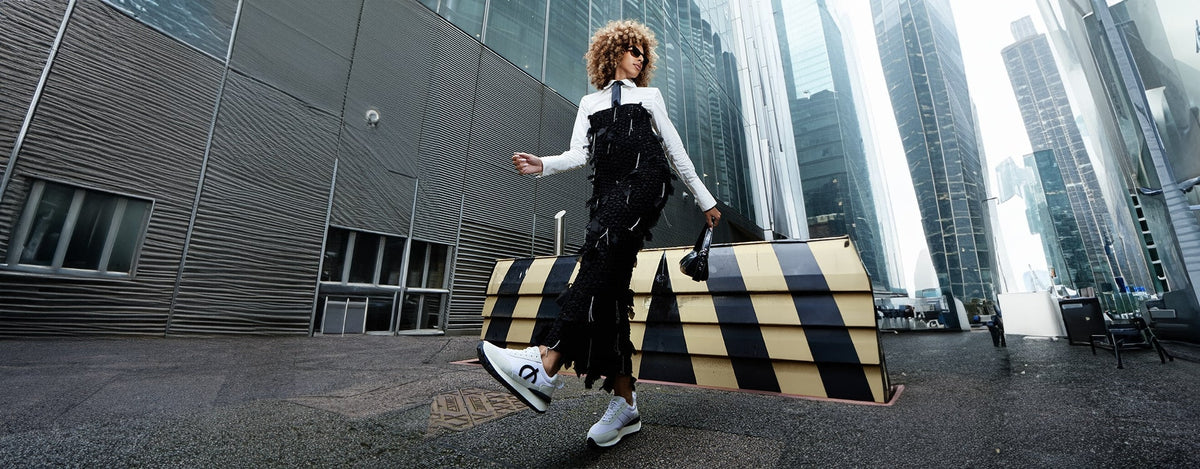

Article: Choose Men's Vegan Trainers Built for Commuting, Long Walks, and the Office
Choose Men's Vegan Trainers Built for Commuting, Long Walks, and the Office
Commuting, long walks, and office life demand more of your trainers. Finding a single pair of vegan trainers that delivers breathability, weather resistance, ergonomic support, and a smart silhouette, without sacrificing all-day comfort, can feel impossible. Which features should you prioritise?
Use this guide to match trainers to your commute and long walks, optimise fit and arch support, choose breathable yet weatherproof vegan materials, and select midsole cushioning and traction built to last. Refer to the practical checks and straightforward care tips below to choose trainers that perform on the high street, stand up to wet weather, and carry you through a busy working day.

Choose the right trainers for your commute, long walks, and office life
Match a trainer's features to how you move. Press and flex the shoe to test midsole rebound — a midsole that springs back indicates better energy return at push-off. Bend the forefoot to check alignment of the bend points; they should sit where your toes flex so your stride feels natural. Check the heel counter: a firm rear panel stabilises the foot during starts and stops and reduces heel slippage. Prioritise fit. Aim for about a thumb's width of space at the end of the toe box, and make sure the heel locks securely without rubbing. Walk and jog on different surfaces to spot hotspots and fit issues that only show up under real movement. Confirm the insoles are removable if you need to fit orthotics. Match materials to your routine. For wet commutes, look for bonded seams or sealed stitching to limit water ingress. For long walks, favour breathable mesh or microfibre linings to move moisture away and reduce overheating. Finally, inspect the outsole tread pattern and rubber compound — siping, groove depth, and a grippy compound help maintain traction on wet, urban surfaces.
For occasions that require a smarter look, keep trainers office-appropriate by choosing a low-profile silhouette, muted colours, and smooth, leather-like vegan finishes that polish up for smarter settings. Avoid bulky running aesthetics by favouring a cleaner upper and a slimmer sole. Plan for longevity: rotate pairs, replace flattened insoles, and use cleaning methods and waterproof treatments formulated for synthetic or plant-based materials. If the sole compound and construction allow, have them resoled at a high street cobbler to extend their life.

Optimise fit, sizing, and anatomical support for all-day comfort
Trace your foot on a hard floor while wearing the same foot covering you plan to use when commuting. Measure the longest toe-to-heel length, width, and perceived volume, then compare those figures with the trainer’s internal length and width. Account for extra volume from a rucksack or slight swelling after prolonged standing; if the forefoot feels snug, try a half size up or a wider last to reduce heel slip, blisters, and cramped toes. Prioritise anatomical support over marketing claims: a defined heel cup that centres the heel bone, a contoured midfoot or arch that matches your arch height, and a removable insole to accept custom orthotics all affect comfort. Look for a firm heel counter and medial reinforcement to control excessive pronation, and a stable platform to disperse pressure on long walks. Stand on one foot in the trainer to test stability and to sense any immediate discomfort under the arch or along the inside edge.
Next, test midsole cushioning and responsiveness by pressing the foam and watching how it compresses and rebounds. A denser heel compound will absorb commuting impacts, while a slightly softer forefoot aids push-off and energy return on long walks. Choose heel-to-toe drop deliberately, because lower drops increase calf and Achilles loading. Check that the forefoot bends at the metatarsophalangeal joints, not the midfoot. The toe box should allow a small amount of toe splay without leaving excess empty space. Make sure seams and linings are smooth and padded to prevent hotspots. Walk on varied surfaces, perform a heel-slip test with the laces snug, try different lacing techniques to fine-tune fit, and confirm removable insoles sit flush. Finally, ensure the trainer or sneaker silhouette and sole profile sit comfortably under smart trousers. If you notice mild discomfort, adjust size, insole, or lacing rather than relying on break-in, since many vegan materials resist moulding to the foot.

How to choose breathable, weatherproof, vegan materials for trainers
Breathability and weatherproofing sit on a spectrum. For trainers and everyday sneakers, ventilated uppers and high moisture vapour transmission rates favour cooling on warm walks, while breathable membranes and durable water-repellent finishes protect in sustained or heavy rain. As a simple rule, choose ventilated engineered knit or mesh uppers for hot conditions and inner-city commutes with only occasional puddles, and pick membranes or water-resistant coatings for routes with extended exposure to rain. Microfibre synthetic leather gives a smart office look with moderate structure, coated textiles and plant-based leathers offer stronger water resistance, and recycled polyester dries quickly while providing variable breathability.
Construction matters in trainers and sneakers. Gusseted tongues and sealed seams stop water at the entry points, while perforated panels and ventilation zones improve cooling. A low-profile waterproof membrane balances protection with flexibility so you stay mobile without sweating. Check for moisture-wicking linings, antimicrobial or silver ion treatments, breathable foam or cork insoles, and removable footbeds or breathable sockliners so you can air or swap insoles to control odour and moisture. To preserve function, clean salt and mud promptly, reapply a breathable water repellent when the finish looks tired, avoid drying near direct heat, and use shoe trees or stuffing to retain shape while airing. Regular maintenance protects breathability and weatherproofing, helping you assess long-term value rather than first impressions.
Breathable, weatherproof vegan footwear: materials, features, care
- Material selection by use case: For hot conditions and short commutes choose ventilated engineered knit or open mesh uppers and recycled polyester with a high moisture vapour transmission rate for fast drying and cooling. For sustained or heavy rain favour breathable waterproof membranes, coated textiles, or plant based leathers treated with a durable water repellent for stronger water resistance. For a smart office look use microfiber synthetic leather for moderate structure and appearance; for mixed routes pick a low profile waterproof membrane or water resistant coating combined with ventilation zones.
- Construction and feature checklist to inspect: Look for gusseted tongues and sealed seams to keep water out; check whether the membrane is fully waterproof or water resistant and whether it is breathable. Seek perforated panels, targeted ventilation zones, moisture wicking linings, antimicrobial or silver ion treatments, breathable foam or cork insoles, and removable footbeds or sockliners so you can air or replace them.
- Everyday care to preserve breathability and weatherproofing: Rinse salt and mud off promptly and let footwear air naturally, never beside direct heat. Reapply a breathable durable water repellent when water stops beading, wash linings and removable insoles as recommended, use shoe trees or paper stuffing to retain shape while airing, and rotate shoes so each pair fully dries between wears.

Prioritise midsole cushioning, arch support, and reliable traction for everyday movement
Midsoles respond differently depending on material and geometry. Responsive foams rebound quickly, giving a lively forward drive. Plush foams compress deeply for softer landings, while firmer polymers hold their shape for durable support but return less energy. Do a quick thumb press to check rebound, then walk 20 metres at a normal pace to feel cushioning, stability, and how the trainer returns energy over repeated steps. Arch support arrives as contoured footbeds, removable insoles, or orthotic-friendly lasts, each affecting how the trainer guides your midfoot and heel. Assess arch height by tracing a wet footprint or noting pressure points while standing. A poor match commonly causes midfoot fatigue or excess pronation, which shows as discomfort or uneven wear.
Turning to the outsole, grip depends on the rubber compound, tread depth, multi-directional siping for wet surfaces, and a defined heel edge to help when stepping off kerbs. To check slip resistance, walk the trainer on a wet pavement or a tiled step, and inspect visible wear patterns on the sole to estimate remaining life. For office wear, favour midsoles that resist compression during long periods of standing, firm heel counters, structured uppers for lateral support, and a low-profile, tidy sole that looks smart while still cushioning your commute. Fit and care are straightforward: try trainers while wearing the clothing and foot liners you normally use on your commute, and bring a loaded bag to simulate real weight. Allow about a thumb-width of space at the toe box, confirm insoles are removable for drying or for custom orthotics, and clean vegan uppers with a mild detergent, then air-dry to preserve material and traction.

How to Adapt Your Style to Dress Codes and Extend Shoe Life
To keep trainers office-appropriate, choose clean, low-profile silhouettes in neutral colours with matte finishes, subtle stitching, and minimal detailing so they read smart with chinos, tailored trousers, or a blazer. Prioritise materials such as coated textiles, synthetic leathers, or engineered knit uppers, paired with breathable linings and microperforations; these shed rain while letting moisture escape, helping to reduce blisters and odour. Look for clear water-repellent treatments and mesh panels specified for vegan uppers to balance weather protection with airflow. Finally, avoid overt athletic logos so the shoes move easily from commute to meeting without drawing attention to their origin.
Alongside style, comfort features to support long walks include a cushioned, responsive midsole that absorbs shock and evens load across the foot, adequate arch support to reduce strain, and a flexible forefoot that lets your stride roll naturally and minimises fatigue and joint impact. A grippy rubber outsole with multi-directional tread improves traction on wet surfaces. For daily commuting and long-term use, favour trainers and sneakers with stitched or reinforced joins, replaceable insoles, and resoleable soles so they tolerate wear and can be repaired rather than discarded. Maintain your trainers to extend their life and reduce waste: wipe them with a soft cloth and mild soap, use care products designed for synthetic uppers, and air dry them away from direct heat. Rotate between pairs to let materials recover, use shoe trees or stuffing to preserve shape, and carry spare laces or a basic repair kit for quick fixes.
Overall, choose vegan trainers that combine breathable, weatherproof uppers, anatomical support, and a low-profile silhouette, so a single pair works for commuting, long walks, and the office. Sealed seams and waterproof membranes keep feet dry on damp routes. Breathable meshes and moisture-wicking linings reduce overheating on extended walks. Removable insoles and firm heel counters maintain comfort and stability throughout the working day.
Use these checks before you buy: press the midsole to judge rebound and support, bend the forefoot to test flexibility, trace your foot to confirm length and width, and walk on wet surfaces to assess traction. After purchase, alternate wearing different trainers, fit new insoles when the originals lose cushioning, and reapply a breathable water repellent so your trainers stay comfortable, weatherproof, and repairable rather than disposable.
FAQ
What checks should I do in-store to make sure a pair of vegan trainers suits commuting, long walks, and the office?
Trace and measure your foot with the socks you commute in, try the trainers with a loaded bag, confirm about a thumb-width at the toe, and ensure a secure heel lock with minimal slip. Press the midsole for rebound, bend the forefoot to check it flexes at the metatarsophalangeal joints, stand on one foot to feel stability, and verify insoles are removable for orthotics or drying.
How do I choose materials that balance breathability and weatherproofing?
Match materials to conditions: ventilated engineered knit or open mesh for hot, short commutes, and breathable waterproof membranes, coated textiles, or treated plant-based leathers for sustained rain. Check for gusseted tongues, sealed seams, moisture-wicking linings, and removable breathable insoles, and reapply a breathable durable water repellent when water no longer beads.
What midsole and support features are best for long walks and all-day standing?
Choose a midsole with a denser heel for impact absorption and a slightly softer forefoot for push-off and energy return, and select heel-to-toe drop deliberately because lower drops increase calf and Achilles loading. Look for a defined heel cup, a contoured midfoot or arch that matches your arch height, a firm heel counter for lateral control, and a stable platform to disperse pressure.
Can trainers look smart enough for the office without losing commuting performance?
Yes; favour low-profile silhouettes, muted colours, matte or microfiber synthetic leather uppers, minimal detailing, and slimmer soles to read smart while retaining performance features like cushioning, arch support, and a grippy outsole. Avoid bulky running aesthetics, and prioritise removable insoles and structured uppers so the shoe stays comfortable and neat under trousers.
How should I maintain vegan trainers to preserve breathability, water resistance, and longevity?
Rinse off salt and mud promptly, air-dry away from direct heat, reapply a breathable water repellent when water stops beading, and wash linings or removable insoles as recommended. Rotate pairs to allow full drying, use shoe trees or stuffing to retain shape, replace flattened insoles, and consider resoling if the sole compound and construction allow repair.